
REVIEW · FRANCE
Frontignan Plage: Wing Surfing Lesson
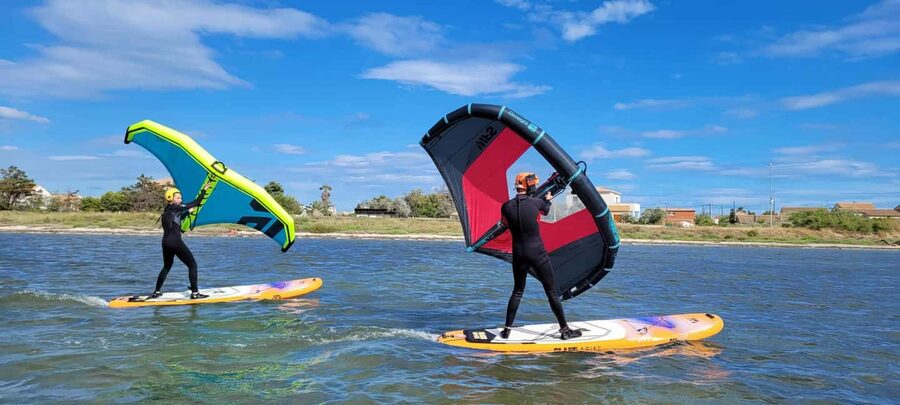
Let the wind do the work. At Frontignan Plage, TIKI CENTER introduces you to wing surfing, a friendly blend of kitesurfing, windsurfing, and paddleboarding. I like the shallow practice area, which lets you focus on technique without feeling overwhelmed, and the small groups of up to four make it easier to get personal help. The main catch is simple: wind sports depend on wind, and one July session had too little of it.
You spend three hours learning how to hold the wing, steer, tack, move upwind, and make basic transitions. I also like the radio helmet, which keeps you in touch with the instructor while you are on the water. The lesson is open to beginners and experienced students, but children under 10 cannot join.
The price is $153 per person. That is not a casual beach rental, but it covers the wing surfing equipment, instruction, radio communication, and a small-group format. Call ahead to confirm the start time, since it may not be fixed, and ask about equipment rental if you want to continue after the lesson.
Key points about the Frontignan wing surfing lesson
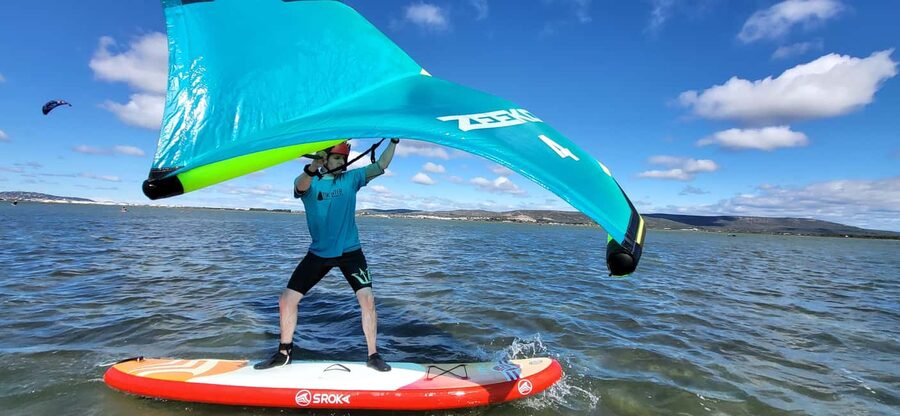
- Shallow water makes the first steps less stressful: You can concentrate on balance, hand position, and steering while standing in the water.
- The three-hour format allows real practice: This is more than a short introduction, with time for land instruction, paddle work, and water drills.
- Groups are limited to four people: You get a better chance to ask questions and receive corrections than in a large beach class.
- A radio helmet keeps instructions nearby: You can communicate with the instructor while practicing on the water.
- Wind conditions can shape the day: The activity may still be enjoyable without ideal wind, but progress depends on enough breeze.
- You should confirm the schedule by phone: One participant found the time was not fixed, so a quick call is wise before arriving.
What wing surfing feels like at Frontignan Plage
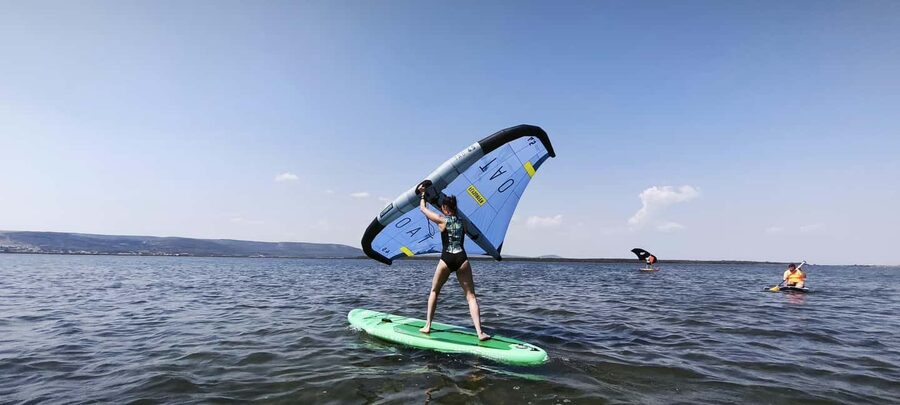
Wing surfing uses a handheld inflatable sail, known as a wing, together with a board. You are not attached to the wing by a fixed mast, as you would be in windsurfing. Instead, you hold it with your hands and use the wind to pull you across the water.
The sport borrows something from several familiar activities. From kitesurfing, it takes the feeling of harnessing wind power. From windsurfing, it takes sail control and tacking. From paddleboarding, it takes the board and the need to find a steady stance.
That combination makes the lesson approachable. You do not need to master a large collection of ropes, foot straps, or complicated equipment before you can begin. The wing is described as easy to handle and maneuverable, but you still need to learn how wind direction affects your movement.
The setting at Frontignan Plage is helpful for first attempts. The lesson takes place on a flat, shallow body of water, so you can work on the basic movements with your feet in the water. That matters when you are learning. You can spend less energy worrying about depth and more energy noticing how the wing pulls.
Still, shallow water does not remove every challenge. You must pay attention to the instructor, keep control of the wing, and adjust your body as the wind shifts. The first few tries can feel awkward. That is normal for a sport where your hands, feet, board, and sail all need to work together.
More Surf Lessons in France:
- Biarritz : Cours de surf sur la côte Basque.
★ 4.6 · 54 reviews - Biarritz: 1.5-Hour Group Surf Lesson
★ 4.9 · 46 reviews - Biarritz: Surf lessons on the Côte des Basques beach
★ 4.9 · 45 reviews
The first lesson on land: learning the wing
Your instructor begins with the basics while you are still on land. This part may look simple, but it is where you learn the habits that keep the rest of the class manageable.
You practice holding the wing and feeling the direction of its pull. The instructor explains where to place your hands and feet for sailing, how to orient the wing, and how your body position changes during a turn. Learning these movements before stepping onto the board gives you a useful reference point.
I appreciate this approach because beginners often try to force the equipment. With wing surfing, a light change in hand position can alter the wing’s pull. You need to guide the sail rather than wrestle with it.
The land session also introduces transitions. These are the movements used when changing direction. You may not perform them smoothly right away, but understanding the sequence first makes the water practice less confusing.
The instructor speaks French and English. That is useful for mixed-language groups, and the radio helmet adds another layer of help once you move farther from shore. Instead of needing to paddle back every time you have a question, you can stay connected during the exercise.
On the paddle: turning wind into movement
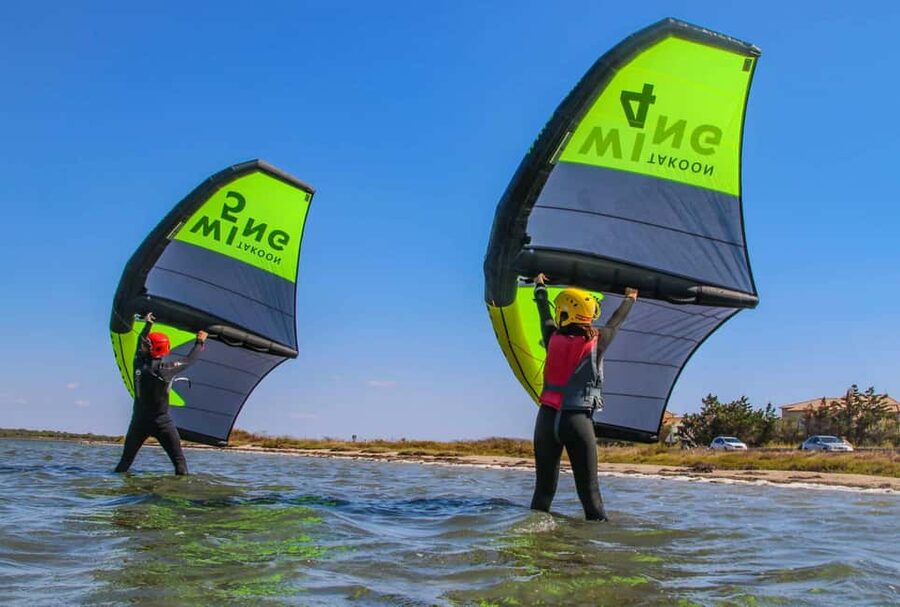
After the land work, you practice with the wing on a paddleboard. This is where the lesson becomes more active. You learn to use the wind’s pull to glide across the water rather than simply hold the sail in place.
The first goal is basic control. You work out how to keep the wing positioned, how to maintain balance, and how to let the wind move the board. The flat water is especially useful here. Choppy conditions would add another problem before you had solved the first one.
You then work on tacking, going upwind, and making transitions. Tacking means changing direction while continuing to use the wind. Going upwind teaches you how to avoid being carried only in the direction the breeze happens to blow. These skills help you move with purpose instead of drifting.
The radio helmet is a strong practical feature. A short instruction at the right moment can save a lot of trial and error. It also lets the instructor correct your position while you are practicing, rather than waiting until everyone returns to shore.
The small group size matters here, too. With no more than four participants, you should have more room to practice and more opportunity for individual corrections. The pace may still vary depending on the group, but this is a far more personal setup than a crowded introductory class.
Why the shallow water matters for beginners
The shallow-water setting is one of the best reasons to choose this lesson if you have never tried wing surfing. You can stand in the water while learning basic steering and positioning. That offers a little security when the board or wing gets away from you.
It also makes repeated practice easier. You can reset your position, collect the equipment, and try again without treating every mistake as a major setback. Beginners usually need several attempts before the wind, wing, and board begin to make sense together.
Experienced students can benefit from the same setting. If you already understand wind sports, you can use the lesson to refine wing handling, tacking, or transitions. The course is not limited to first-timers, though the instructor will need to adjust the session to match the group.
Safety remains partly in your hands. You should listen closely, stay aware of the wing’s movement, and follow instructions. Bring water and sunscreen, since the combination of sun, wind, and physical effort can leave you tired before you notice it.
Same place, a different way into the water:
- Surfing lessons
★ 5.0 · 25 reviews - Surf lessons on the mythical site of La Torche
★ 5.0 · 19 reviews - Hossegor: Surf Coaching
★ 5.0 · 13 reviews - Private surf lessons in the Basque Country
★ 4.5 · 12 reviews
A three-hour lesson with room to progress
Three hours is a useful length for this activity. A shorter class might give you time to hold the wing and make a few attempts, but not enough time to connect the separate skills. Here, the session can move from land instruction to paddle practice and then to basic navigation.
The class is designed to leave you able to orient yourself and move across the water. That does not mean you will become an expert in one afternoon. It means you should have the foundation needed to practice independently, assuming conditions and your own ability allow it.
The experience can feel physical without being presented as a race. Your attention is divided between wind direction, sail control, balance, and the board. You will want comfortable clothing that can get wet, plus a dry change of clothes for afterward.
A hat, swimwear, towel, sunscreen, and water are also on the useful packing list. Smoking is not allowed during the activity. Food and drinks are not included, so plan those separately.
What $153 includes, and what it does not
At $153 per person, this lesson is priced as an instruction session rather than a simple equipment hire. You receive the wing surfing gear, the three-hour class, a radio helmet, and teaching in a group capped at four people.
That small-group limit is important when judging the price. Private instruction would normally give you more direct attention, but a four-person group can offer a reasonable middle ground. You are paying for guidance that helps you understand the equipment and avoid spending the whole session guessing.
Transportation to Frontignan Plage is not included. You also pay separately for food, drinks, and personal insurance. Make sure you know how you will reach the beach before booking, since getting to the activity is your responsibility.
If you want to keep practicing after the class, call to ask about equipment rental. Rental availability is not guaranteed as part of the lesson, so do not assume you can simply stay on the water with the same gear.
The reserve-now-and-pay-later option gives you some flexibility with your plans. You can also cancel up to 24 hours before the activity for a full refund. Those terms are useful when wind and beach plans need a little room to change.
The wind is the one thing you cannot control
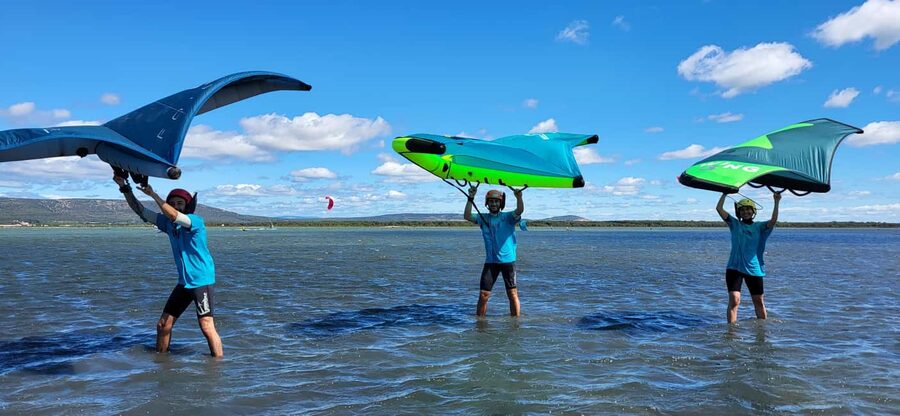
The biggest variable is the weather. Wing surfing needs enough wind to create movement, but too much wind could make the first lesson harder. The provided experience does not promise a particular wind level, and one July session was affected by too little wind.
That is not a flaw unique to this class. It is part of booking any wind-powered water sport. Still, you should understand what it means for your expectations. If the breeze is weak, you may spend more time on technique and less time gliding across the water.
A May participant particularly praised the kind instructor and felt the class was good for learning. The same practical advice applies to every season: call before you go to arrange the time and confirm the day’s details. The start time is not always fixed, so relying only on the booking page may leave you with an avoidable scheduling problem.
If conditions are not ideal, the lesson may still teach useful handling skills. Just do not judge the activity as a full success or failure solely by how far you travel on the board. The wind decides part of the lesson.
Who should book this Frontignan activity
I would recommend it to adults and children aged 10 and above who want an introduction to a modern water sport without committing to a long course. It suits active beginners, people curious about wind sports, and experienced students who want help with wing control or transitions.
The shallow water makes it a sensible first step for someone who feels nervous about learning on open water. The instructor’s radio connection and small group also support a more guided experience.
You should think twice if you need a fixed timetable, guaranteed strong wind, or a fully dry activity. You also need to arrange your own transportation and bring your own personal insurance. The sport involves getting wet, so anyone hoping for a relaxed beach outing may find the lesson more demanding than expected.
Language should not be a major barrier if you speak French or English. The instructor can teach in either language, and the radio helmet helps keep directions clear during water practice.
My verdict: a useful first step into wing surfing
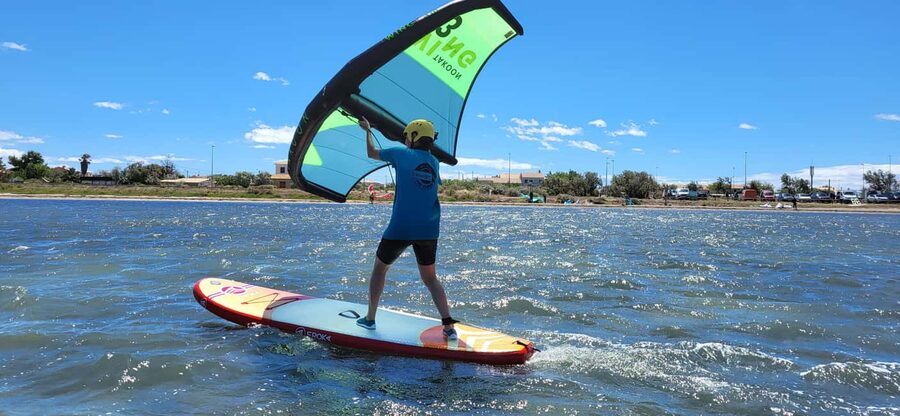
I like this lesson because it treats wing surfing as a skill to learn, not just a quick thrill. The land briefing, shallow-water practice, radio communication, and four-person limit give you the support needed to understand the basics.
The price makes the most sense if you value instruction and want to leave with enough knowledge to practice on your own. It is less appealing if you only want to rent equipment or take a brief ride.
Book it if you can accept weather uncertainty and have time to confirm the schedule directly with TIKI CENTER. Bring sun protection, water, dry clothes, and patience. With a cooperative breeze, Frontignan Plage offers a practical place to learn how the wing catches the wind and turns it into movement.
FAQ
Where does the wing surfing lesson take place?
The lesson takes place at Frontignan Plage in the South of France, between Sète and Montpellier.
How long does the activity last?
The lesson lasts three hours.
How much does the lesson cost?
The listed price is $153 per person.
Is the lesson suitable for beginners?
Yes. The activity is suitable for beginners and experienced students, and instruction takes place in shallow water to make learning easier.
What equipment is included?
All necessary wing surfing equipment is included, along with a radio helmet for communication with the instructor.
How many people are in each group?
The group is limited to four participants.
What should I bring?
Bring a hat, swimwear, towel, sunscreen, water, and comfortable clothes that can get wet. You should also bring a change of clothes.
Just added around France
- 3 Hours of Surf and Electric Bike Exploration in Lacanau★ 5.0 · 8 reviews
- Discover Surfing on the beaches of Biarritz★ 5.0 · 3 reviews
- Surf lessons beginners in the Basque Country★ 4.5 · 7 reviews
- Classes DE Surf Collectif DE 1H30★ 5.0 · 2 reviews
- Surfing lessons★ 5.0 · 25 reviews
- Surf lessons on the mythical site of La Torche★ 5.0 · 19 reviews
- Saint Tropez: Learn how to Surf with an eFoil★ 5.0 · 5 reviews
- Porto-Vecchio: Jet Surf Course – Unique on the island★ 5.0 · 5 reviews
France Surf Lessons, compared.

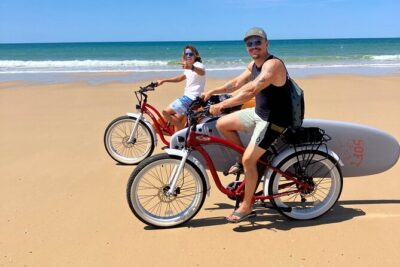
3 Hours of Surf and Electric Bike Exploration in Lacanau
Read our review →Browse the lists this lesson appears in