
REVIEW · PORTUGAL
AZORES: Surf Lesson for Beginners
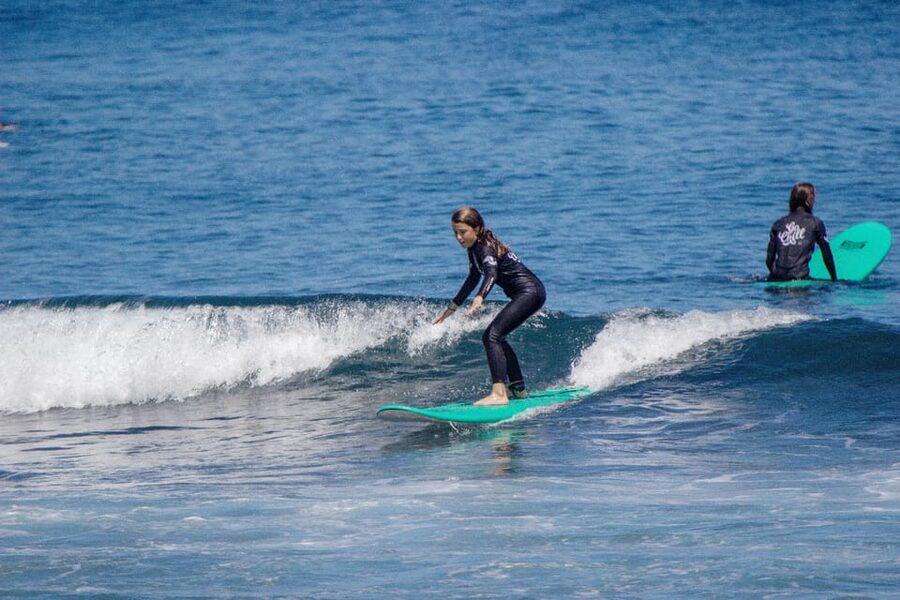
Catch your first Atlantic wave. This 1.5-hour Azores surf lesson gives beginners a friendly way to try the sport, with licensed instructors, full equipment, and no previous experience required. I especially like the small groups of six or fewer per instructor and the way the beach changes with the sea conditions, rather than forcing every class into one fixed spot.
I also like the practical coaching. You do not simply paddle out and hope for the best. You learn how to handle the board, paddle, pop up, and stay safe before working on waves. The main consideration is that you must arrange your own transport, and the exact beach and meeting time may not be confirmed until one day before the lesson.
Key points at a glance
- Beach choice follows the Atlantic: The class may meet at Milícias Beach on the south coast, Monte Verde Beach, or Santa Barbara Beach on the north coast, depending on tide and sea conditions.
- A real beginner setup: Your board, leash, wetsuit, insurance, and licensed instructor are included in the $53 price.
- Personal coaching matters: With no more than six students per instructor, you should get useful corrections rather than a quick group demonstration.
- The lesson starts on dry sand: You first learn the equipment, safety rules, paddling, and pop-up movement before heading into the water.
- You may stand sooner than expected: One German participant said the class ended with actual rides on a surfboard, while other strong praise focused on friendly, capable instruction.
- Plan around changing logistics: The meeting beach is sent one day ahead, and you look for a white van marked Black Sand Box.
Why this Azores surf class is worth considering
Surfing in the Azores is a fine match for a first lesson. You get Atlantic water, volcanic-island scenery, and a sport that lets you take part instead of simply looking at the coast. At $53 per person, the price is reasonable for a 90-minute class that includes the wetsuit, board, leash, instructor, and insurance.
The value depends mainly on how much personal coaching you receive. A large class can leave a beginner waiting in the water, unsure why the board keeps slipping away. Here, the six-student limit gives the instructor a better chance to watch your technique and correct it.
The strongest praise for this experience is consistent. The instructors are described as friendly and clearly skilled. One Canadian participant found the activity suitable for people of all ages and felt well supervised. A German participant reported not only having a good day, but actually standing on the board and riding waves by the end.
That does not mean every person will become a surfer in 90 minutes. Surfing depends on balance, timing, fitness, and the conditions on the day. Still, the teaching plan gives you a fair shot at an early success, while also making the class useful if you have tried surfing before and want to refresh your technique.
More Beginner Surf Lessons in Portugal
- Albufeira: Learn to Surf in Chill Beach Vibes & Good Times
★ 4.7 · 439 reviews - Beginner Surf Lesson at the Beautiful Algarvian West Coast
★ 5.0 · 377 reviews - Peniche:Surf lessons Beginners ,Intermediate, advance level
★ 4.8 · 229 reviews
Meeting at the beach, not at a city office
You meet directly at the beach. The exact location is sent to you one day before the activity, so do not expect to show up at a permanent shop or central meeting point without checking your message first. On arrival, look for the white van with Black Sand Box written on the back.
The most common locations are Milícias Beach on the south coast, Monte Verde Beach, and Santa Barbara Beach on the north coast. This flexibility is useful because a surf lesson needs the right mix of waves, tide, and safety conditions. The tradeoff is simple: you lose some advance certainty.
Transportation is not included. You need to make your own way to the chosen beach, and the lesson location may change from one booking date to another. If you are staying near one of the beaches, this may be easy. If you are relying on a taxi or rental car, wait for the final location before fixing your plans.
I would keep the rest of your schedule loose that day. The time and beach can vary with the sea, and you will enjoy the lesson more if you are not racing to a museum, ferry, or restaurant reservation afterward.
Getting fitted with a wetsuit and board
Once you arrive, you put on the provided surf wetsuit and take the required equipment. The package includes the board and leash, so you do not need to rent anything separately or bring your own surf gear.
Your personal packing list is short:
- Swimwear
- Towel
- Sunscreen
- Water
The wetsuit matters in the Atlantic. It helps you stay comfortable during the class and gives you more time to focus on learning instead of simply getting out of the water. Bring your own swimwear to wear underneath, and pack a towel for afterward.
Sunscreen is still important. A cloudy day near the ocean can fool you, and the water reflects light. Water is also worth carrying, especially if you are treating the class as part of an active day outdoors.
The equipment stage is not filler. For a beginner, knowing how to carry a board, use the leash, and understand where your body belongs on the board can prevent confusion later. The instructor also explains basic safety before you start catching waves.
The sand lesson builds your first good habits
The class begins with a warm-up on the sand. The instructor then explains the basics of surfing, the equipment, and the safety rules. This is where the lesson earns its beginner-friendly label.
You learn the mechanics before entering the water. The key movements include paddling and the pop up, the quick change from lying on the board to standing. Those actions can feel awkward at first, so practicing them on the sand gives you a chance to understand the sequence without a wave pushing you around.
The safety briefing is just as important as the technique. You are not expected to know how to behave around a board, leash, waves, and other people. The lesson is designed to give you basic water awareness and help you feel more confident before the active part begins.
I like this structure because it avoids the common beginner problem of trying to learn everything at once. You first hear the explanation, then practice the movement, then test it in the ocean. The short duration means the instructor cannot spend an hour on every detail, but the order of the lesson is sensible.
Same place, a different way into the water:
- Matosinhos: Surfing Lesson with Equipment
★ 4.8 · 926 reviews - Lisbon Surf Experience
★ 4.9 · 876 reviews - Albufeira: Surf Lesson
★ 4.7 · 699 reviews - Porto: Small Group Surf Lesson with Transportation
★ 4.9 · 594 reviews
In the water, expect coaching rather than a lecture
Once you enter the water, the goal is to get you standing on the board. The instructor gives personalized attention and watches for the small errors that beginners often cannot see themselves.
You might paddle too late, place your feet unevenly, lift your upper body too slowly, or try to stand before the board has enough speed. Instead of leaving you to repeat the same mistake, the instructor may bring you back out of the water to explain and correct it.
That return to shore can be useful. It gives you a calm place to review paddling or the pop-up instead of trying to listen while waves are moving around you. It also makes the class feel more like instruction than a simple equipment rental.
The small-group limit is especially valuable here. With up to six students per instructor, you should receive more individual attention than in a large introductory class. The instructor cannot give every student unlimited time, but the format supports direct feedback and repeated attempts.
The class can suit a complete beginner or someone who has surfed before. If it is your first time, you can focus on balance and basic safety. If you are returning after a long gap, the instructor can help you rebuild your pop-up, paddling, and confidence.
Choosing among Milícias, Monte Verde, and Santa Barbara
The class does not promise one fixed beach, and that is a practical strength rather than a weakness. Surf conditions change, and a suitable beginner wave may be found on a different coast from the one you expected.
Milícias Beach is one of the common south-coast choices. Monte Verde Beach and Santa Barbara Beach are common north-coast options. The exact location depends on the tide and the sea on your lesson day, so you should treat the beach name as a likely possibility, not a guarantee.
Each possible location changes your transport plan. A south-coast meeting point may be convenient if you are staying near Ponta Delgada or another southern base. A north-coast beach may require more driving. Since transport is not included, check the final message carefully and allow enough time to arrive.
The changing beach also means you may get better conditions than you would from a rigid schedule. A fixed beach is easier to plan, but not always better for learning. For a beginner, manageable waves and a safe teaching area matter more than checking off a particular strip of sand.
What the reviews tell you about the teaching
The most praised feature is the instructors. The comments describe them as friendly, capable, and attentive, with a clear sense that they know how to teach the sport. That combination matters because surfing instruction has two jobs: helping you improve and keeping the activity controlled.
One participant from Austria praised both the waves and the teachers. A German participant had a particularly encouraging result, saying the group ended up standing on surfboards and riding waves. That is the kind of modest but memorable success you can reasonably hope for from a first class.
The feedback also points to a relaxed tone. A short German comment described the class as great fun, while the Canadian participant found it suitable for people of all ages and not dangerous because the instructors provided close supervision.
You should still keep expectations sensible. The ocean is not a machine, and no instructor can promise that every student will stand up. But the teaching style appears to focus on getting you involved, correcting mistakes, and helping you build confidence rather than simply showing off expert surfing.
Is 90 minutes enough?
Ninety minutes is enough for a first introduction, but it is not a full surf course. The time includes getting ready, warming up, learning the basics, practicing on the sand, and working in the water. Your active wave time will depend on the group, the conditions, and how quickly you pick up the movements.
That short format is useful for a holiday schedule. You can try surfing without giving up an entire day, and you can still leave room for other Azorean plans. It also works well for families or mixed groups where not everyone wants a long athletic session.
The limitation is progression. You may learn the basics and stand on a wave, but you are unlikely to develop polished technique in one lesson. If you enjoy it, you will need more practice to improve your balance, paddling, wave choice, and pop-up.
I would book this as a first step, not as a complete surfing education. The lesson should help you decide if you want to continue, and it gives you enough foundation to make a later class more productive.
Who should book this activity?
This class is a good fit for:
- First-time surfers who want a guided introduction
- People who want an active Azores experience instead of another sightseeing stop
- Families and mixed-age groups, since the activity is described as suitable for beginners of all ages
- Returning surfers who need a refresher
- Visitors who value equipment and insurance being included
- Anyone comfortable arranging their own transport after receiving the final beach location
It is less convenient if you need a fixed meeting point well in advance. It may also disappoint you if you expect a long session or guaranteed large waves. The sea decides much of the schedule, and the instructor’s job is to choose conditions that support a safe beginner lesson.
The activity is conducted in English and Portuguese. If you are comfortable with either language, the instruction should be straightforward. You should not smoke or bring alcohol or drugs, and you should follow the instructor’s safety directions throughout the class.
Price, cancellation, and practical value
At $53 per person, this is a fair price for a short surf lesson with a board, leash, wetsuit, licensed instructor, small group, and insurance included. You are paying for coaching, not just access to equipment. That distinction makes the price easier to justify for a first attempt.
The strongest value comes from the group size. If you only wanted to stand on a board without instruction, a rental might cost less, but it would not give you the same safety briefing or personal corrections. Here, the instructor helps you avoid spending the entire session repeating a poor technique.
You can cancel up to 24 hours before the activity for a full refund. You can also reserve now and pay later, which helps if your Azores plans are still shifting. Since the beach and time can change with conditions, that flexibility is useful.
The booking has an overall rating of 5 from 21 reviews, with praise focused on fun, safety, waves, and instructor quality. That is encouraging, but you should still remember that weather, tide, and your own comfort in the water affect the day.
Should you book the Black Sand Box surf lesson?
I would book it if you want a well-supported first attempt at surfing in the Azores and can handle flexible beach arrangements. The strongest reasons are the small group, included equipment, clear safety instruction, and hands-on coaching in the water.
Before booking, make sure you can reach a beach without included transportation, keep your schedule open until the meeting details arrive, and bring the simple items you need. If you want a relaxed, active introduction rather than a full-day surf program, $53 is good value.
Book it for the chance to learn a new skill, not for a guaranteed perfect ride. With friendly instructors, sensible safety coaching, and a real possibility of standing on a board before the session ends, this is one of the more approachable ways to meet the Atlantic.
FAQ
Is previous surfing experience required?
No. The lesson is designed for beginners and no prior surfing experience is required. It can also suit people who want to refresh earlier skills.
How long does the surf lesson last?
The lesson lasts 1.5 hours, or 90 minutes.
What is included in the price?
The price includes a small-group surf lesson, a licensed instructor, surfboard, leash, surf wetsuit, and insurance.
Where does the lesson meet?
You meet directly at the beach. The exact location is sent one day before the activity. Common beaches include Milícias Beach, Monte Verde Beach, and Santa Barbara Beach.
How do I find the meeting vehicle?
Look for a white van with Black Sand Box written on the back.
What should I bring?
Bring swimwear, a towel, sunscreen, and water.
Is transportation included?
No. You must arrange your own transportation to the selected surf beach.
Just added around Portugal
- Surf & Sup★ 5.0 · 11 reviews
- Surf Lesson on the Lisbon Coast★ 4.5 · 10 reviews
- Surf Lessons in Cascais★ 5.0 · 3 reviews
- Surf Coaching at the World Surfing Reserve★ 5.0 · 2 reviews
- Private Surf Lesson in Sintra★ 5.0 · 3 reviews
- Surf Experience in Cascais, Lisbon★ 5.0 · 11 reviews
- Surf Lesson with transfer★ 5.0 · 17 reviews
- Lisbon Premium Surf Experience – Fun & Excitement Guaranteed★ 5.0 · 2 reviews
Beginner Surf Lessons, compared.
Legian Beach, Bali: Beginner or Intermediate Surf Lessons
Read our review →
Beginner & Intermediate Surf Lesson with Equipment
Read our review →
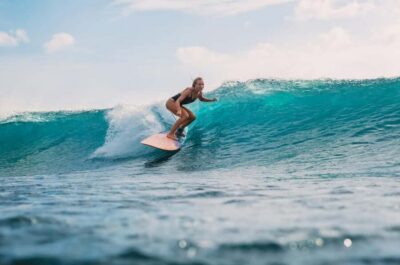
Learn to Surf in Chill Beach Vibes & Good Times
Read our review →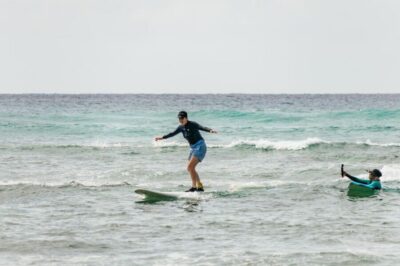
Beginner-Friendly Waikiki Beach Surfing Lesson
Read our review →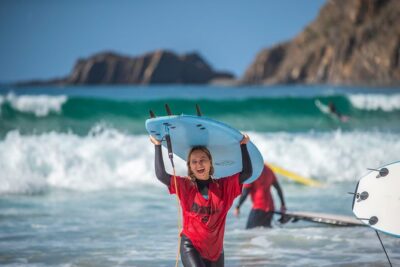
Beginner Surf Lesson at the Beautiful Algarvian West Coast
Read our review →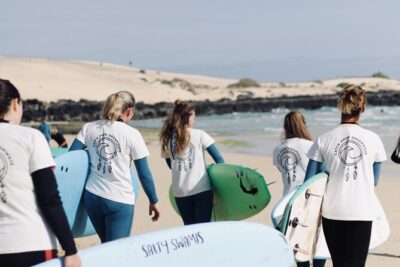
Lezioni di Surf per Beginner e Intermedi (6 persone a istruttore)
Read our review →Browse the lists this lesson appears in