
REVIEW · NEW ZEALAND
Greymouth: 2-Hour Beginner Surf Lesson
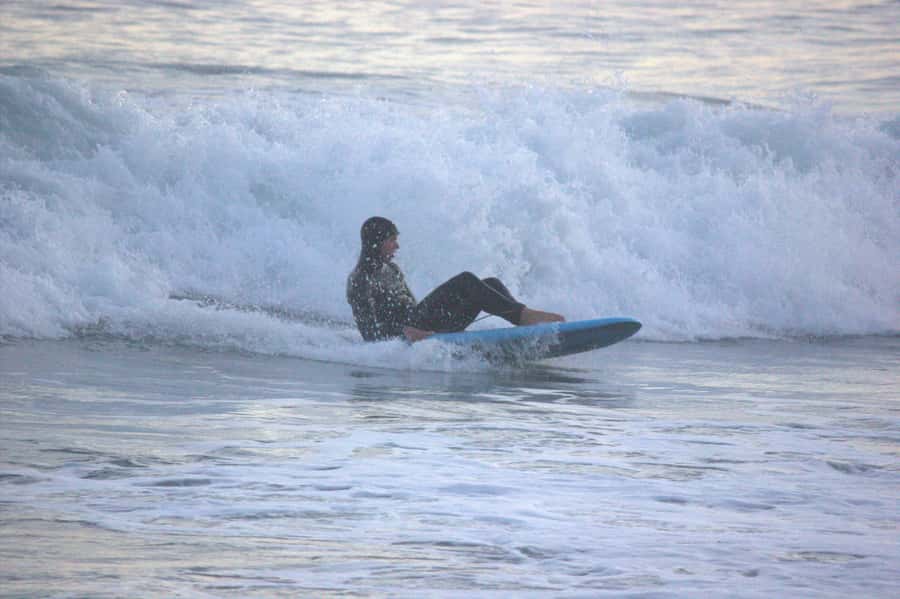
Your first wave may be closer than you think. This two-hour Greymouth surf lesson combines a clear beach briefing with hands-on time in the water, so you learn the basics instead of simply being handed a board. I like the focus on ocean safety and the small groups, with no more than six students per instructor. I also like that the lesson builds in stages, from moving on the board to turning, pop-ups, and standing on a wave.
The main thing to plan around is timing. The start time depends on the tide, usually aiming for lower tide, and you are contacted directly after booking with the correct time for your chosen day. That works well for water conditions, but it means this lesson may not fit neatly into a fixed sightseeing schedule.
Key points before you book
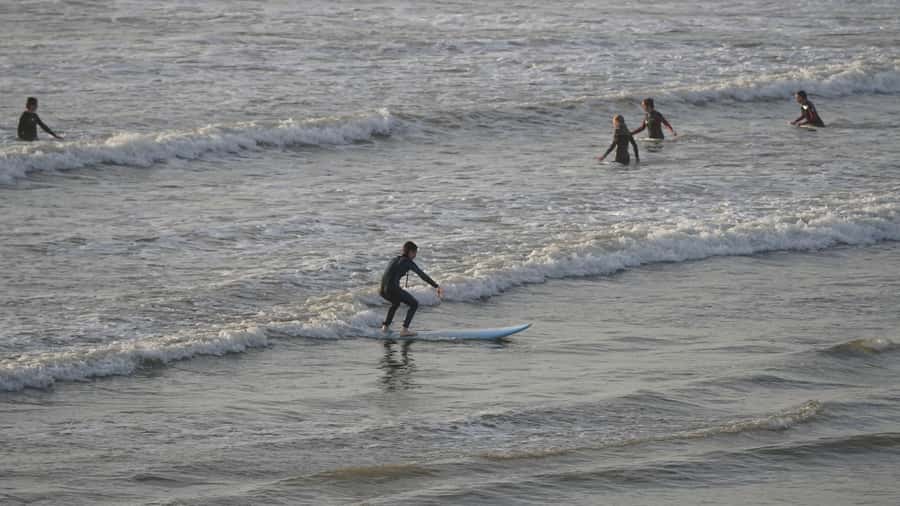
- Tide-based start times: The lesson is scheduled around the tide, with the exact time supplied after booking.
- Small group instruction: The maximum ratio is six students to one instructor, with up to eight people in the wider group.
- Step-by-step teaching: You cover safety, board movement, turns, white-water waves, pop-ups, and standing before the lesson ends.
- All needed surf equipment provided: Bring your own swimwear, towel, warm clothes, sunscreen, and water.
- Good first lesson for confident swimmers: Children under eight, non-swimmers, and people with back problems should not take part.
- Helpful instructor feedback: The instructor is praised for being kind, enthusiastic, skilled, and clear about what to improve.
Meeting the surf school beside Greymouth beach
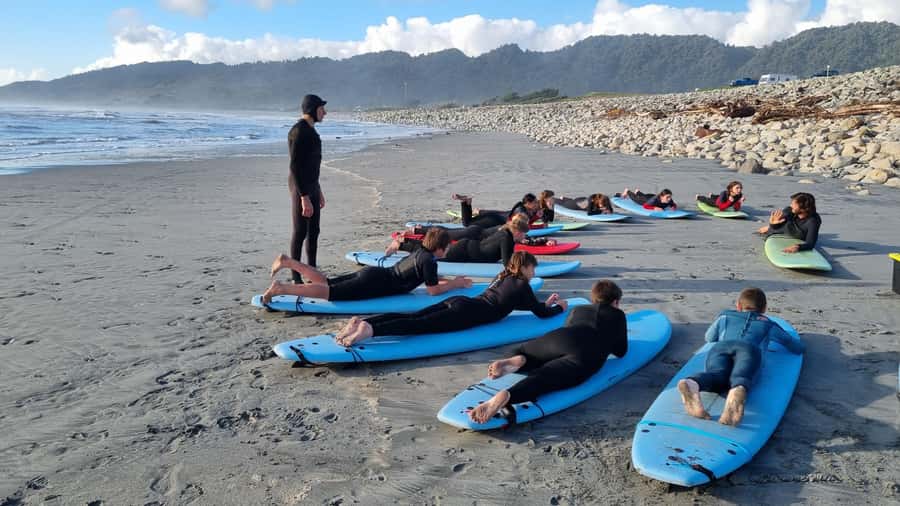
You meet at the car park near the public toilets. Look for the trailer loaded with surfboards. This is a simple meeting point, but you should allow enough time to find it without rushing, especially if you are unfamiliar with the area.
There is no transport to or from the activity, so you need to make your own way to the meeting point. That keeps the price down and gives you control over your arrival, but it also means you should check the location before the lesson day. Do not count on being collected from accommodation.
The operator is Out The Back, and instruction is in English. You do not need to bring a board or other surf equipment. You do need to arrive with the personal items that make a cold-water lesson more comfortable: swimwear, a towel, warm clothing for afterward, sunscreen, and drinking water.
The note about warm clothing matters. Even if the day feels mild on the beach, you may appreciate dry layers as soon as you come out of the water. Pack clothes that are easy to pull on quickly, since the lesson includes a short break before the second water session.
More Beginner Surf Lessons in New Zealand:
- Mount Maunganui: Group Beginner Surf Lesson
★ 5.0 · 16 reviews - Beginner Surf Lesson at Te Arai Beach
★ 5.0 · 6 reviews - Legian Beach, Bali: Beginner or Intermediate Surf Lessons
★ 4.9 · 1,019 reviews
The beach briefing and ocean safety basics
The lesson begins on land with a safety briefing and a short introduction to surfing. This is not filler. For a beginner, the beach session gives you a chance to learn the basic movements before managing a board, waves, cold water, and other people at the same time.
You are introduced to ocean safety, then shown how the lesson will work. The instructor explains how to move around on the board and how to use turning techniques to position yourself for white-water waves. The aim is not to send you straight toward the largest wave available. It is to give you a controlled first step.
I especially like this order. Beginners often focus so hard on standing that they forget where the board is pointing or how to move safely around it. Practicing the sequence on land helps you concentrate on one task at a time once you are wet.
The instructor’s style is another reason this lesson earns a good rating. Feedback describes the instructor as kind and clear about what needs improvement. That is exactly what you want at this stage. You need direct advice, but not so much correction that every attempt feels like an exam.
Getting comfortable on the board in the water
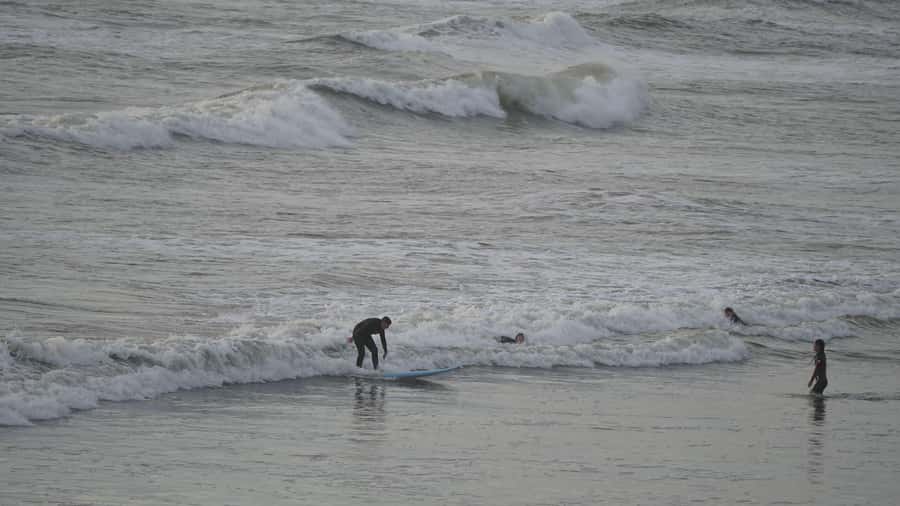
The first water session is about getting used to the board. You practice moving around on it and learning how it responds. This may sound basic, but board control is the foundation for every later step.
The lesson then introduces turning techniques. The stated aim is to catch waves of white water, the broken water that rolls toward shore after a wave has begun to break. For a first lesson, this is a sensible target. You can work on balance and timing without needing to paddle into larger, unbroken waves.
This part can feel awkward at first. A surfboard is long, unstable, and sensitive to your position. You may find yourself sliding, turning too far, or losing balance before you catch anything. That is normal beginner work, and the small instructor-to-student ratio should make it easier to receive useful corrections.
The experience is limited to two hours, so you should not expect mastery. The value comes from having a structured first attempt, with an instructor nearby and a clear progression. If you catch one wave and learn how to repeat the setup, the lesson has done its job.
The mid-lesson break and pop-up practice
After the first water session, you return to land for hydration and a demonstration of the pop-up. The pop-up is the movement that takes you from lying on the board to standing. It is one of the hardest pieces for beginners because it requires timing, balance, and a quick shift of body weight.
This pause is well placed. You have just tried the board in real water, so the land demonstration can answer questions that may not have occurred to you before. You can also drink, warm up briefly, and reset before trying to stand on a moving board.
Do not underestimate the value of practicing the pop-up on land. In the water, you may have only a few seconds to react when a wave reaches you. A clear movement pattern makes those seconds easier to use.
The information provided does not promise that every person will stand up. That is a good sign, since conditions, balance, confidence, and fitness vary. You should see standing as the next goal, not a guaranteed result.
More 2-Hour Sessions in New Zealand:
- 2 Hour Surf Lesson – Te Arai Beach
★ 5.0 · 119 reviews - Private 2 Hour Surf Lesson
★ 5.0 · 5 reviews - Canggu: 2-Hour Surf Course
★ 4.8 · 1,053 reviews - Maui: Two Hour Beginner Group Surf Lesson in Kihei
★ 5.0 · 950 reviews
Returning to the water for your first stand-up
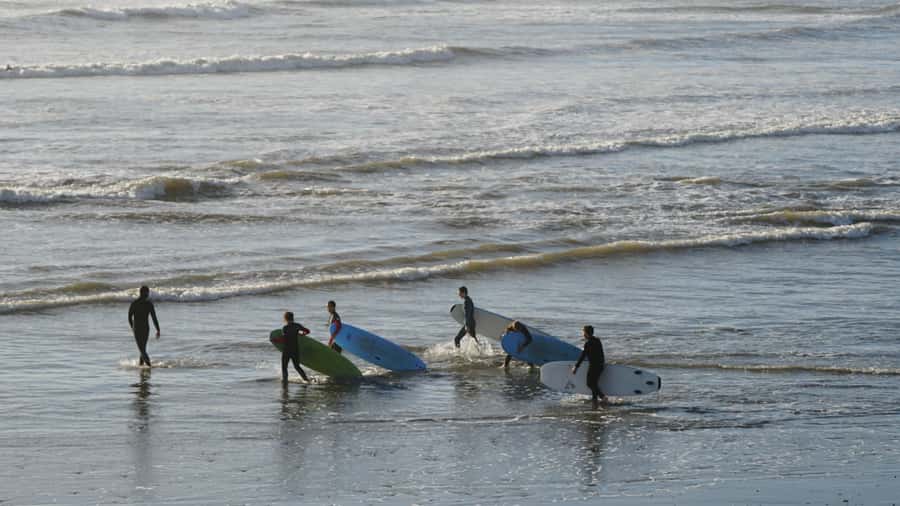
The second water session focuses on standing on a wave. By this point, you have already worked on board movement, turning, and white-water waves. The lesson can then bring those pieces together.
You are likely to begin by catching the wave in a stable position, then attempting the pop-up at the right moment. If you stand even briefly, you will have a clear sense of why surfers spend so much time practicing this simple-looking movement.
The instructor’s feedback is important here. The strongest praise for this experience centers on instructor skill, kindness, enthusiasm, and practical advice. You are not left to repeat the same mistake without guidance. Corrections about body position or timing can make a real difference during a short lesson.
The group size also matters more during this final stage. With a maximum ratio of six students per instructor, the teacher cannot watch every attempt continuously, but the setup is more personal than a large class. The wider group is limited to eight participants, so the session should remain relatively small.
What the $71 price gets you
At $71 per person, this is priced as an accessible introduction rather than a full surf course. You receive two hours of instruction, an ocean safety lesson, all necessary equipment, and teaching in a small group. You also avoid the cost and hassle of renting a board separately.
The value is strongest if you are a genuine beginner. Someone who already surfs may find the lesson too basic, but a first-timer gets a useful structure: safety first, equipment orientation, board control, turning, white-water waves, pop-up practice, and standing attempts.
The price does not include food, drinks, or transport. Those exclusions are easy to manage, but they affect your planning. Bring water and a snack for afterward if needed, and make sure you know how you will reach the car park.
The reservation option also keeps plans flexible. You can reserve and pay later, and cancellation is free up to 24 hours in advance for a full refund. Since the exact lesson time is tied to the tide, that flexibility is useful if your South Island schedule is still taking shape.
Tide timing and your Greymouth schedule
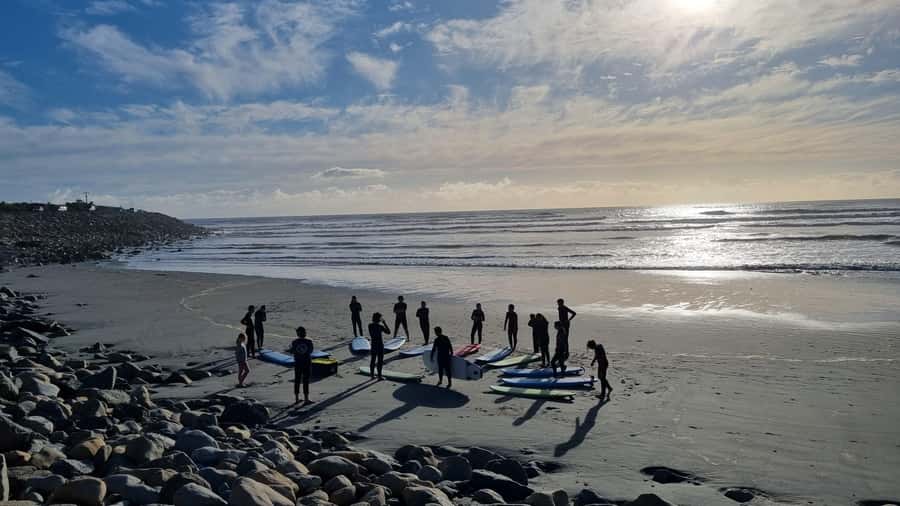
The lesson aims for lower tide, and the start time can vary. Once you book, Out The Back contacts you directly with the correct time for the day you selected. This is an important detail, not a footnote.
You should avoid booking a tight connection immediately before or after the lesson. The activity itself lasts two hours, but you need time to find the meeting point, change, dry off, and gather your belongings. The exact buffer you need depends on your own plans, but a relaxed schedule will make the experience more enjoyable.
Tide-based scheduling is a practical choice for a surf lesson. Conditions in the water matter more than keeping the same clock time every day. The tradeoff is that you give up some control over your itinerary.
If you are visiting Greymouth as part of a larger South Island route, check your onward plans before booking. This is not a quick activity you can squeeze into an already packed morning without adjustment.
Who should take this beginner surf lesson?
This lesson suits adults and children aged eight or older who can swim and want a first taste of surfing. The instruction is built for beginners, so you do not need prior surf experience.
It is also a good match if you prefer learning in a small group rather than taking a fully private lesson. You get the social side of meeting new people, while the six-to-one maximum keeps the class from becoming too large.
You should skip this activity if you are a non-swimmer, have back problems, or are traveling with a child under eight. These are clear limits, and you should take them seriously. Surfing places physical demands on your body even at the beginner level.
You may also want to reconsider if you dislike cold-water activities, though the supplied information does not give a water temperature. The safest plan is to bring warm clothing for afterward and avoid assuming that a sunny beach means you will stay warm throughout.
Practical packing advice for a two-hour surf lesson
Pack lightly, but bring the items that will make the transition in and out of the water easier:
- Swimwear to wear under the provided surf equipment
- A towel
- Warm clothes for after the lesson
- Sunscreen
- Drinking water
Alcohol and drugs are not allowed, and littering is prohibited. These rules are straightforward, but they matter in a beach setting where loose rubbish can quickly become a problem.
Do not forget the water bottle. The lesson includes hydration during the break, but you should arrive with your own water. You should also apply sunscreen even if the weather looks cool, since time outside on the beach still adds up.
How this compares with learning alone
You could try to rent a board and figure out the basics yourself, but the lesson gives you a safer starting point. The beach briefing covers ocean safety, and the instructor can explain how to move, turn, and attempt a pop-up in the correct order.
A two-hour class will not turn you into a surfer. It can, however, help you decide if you want more practice. You leave with a better idea of what the sport demands and which parts of the movement need work.
The small group is a useful middle ground. Private instruction would likely offer more individual attention, but this format costs less and lets you learn alongside other first-timers. The reported praise for the instructor’s patience and improvement tips makes that group setting more appealing.
Should you book the Greymouth surf lesson?
Book it if you want a practical first try at surfing, can swim, and have enough flexibility to work around the tide. The combination of safety instruction, provided equipment, a maximum six-to-one teaching ratio, and two separate water sessions gives you good value for $71.
Think twice if you need a fixed start time, cannot swim, have back problems, or want advanced surfing instruction. The best reason to book is not the promise of a perfect stand-up. It is the chance to learn the basics in a supported setting, catch white water, and find out if surfing belongs in your New Zealand plans.
FAQ
How long is the Greymouth surf lesson?
The lesson lasts two hours.
How much does the beginner surf lesson cost?
The price is $71 per person.
Where do I meet the instructor?
Meet at the car park near the public toilets. Look for the trailer with the surfboards.
Is transportation included?
No. You need to arrange your own transportation to and from the activity location.
What equipment is provided?
All necessary surf equipment is included.
What should I bring?
Bring warm clothing, swimwear, a towel, sunscreen, and water. Swimwear can be worn under the wetsuit.
When does the lesson start?
Lesson times vary according to the tide, usually aiming for lower tide. After booking, Out The Back contacts you directly with the correct time for the day you booked.
Is the lesson suitable for children?
Children under eight cannot take part. The activity is also not suitable for non-swimmers or people with back problems.
Can I cancel the lesson?
Yes. You can cancel up to 24 hours in advance for a full refund. You can also reserve now and pay later.
Just added around New Zealand
- Beginner Surf Lesson at Te Arai Beach★ 5.0 · 6 reviews
- Private 2 Hour Surf Lesson★ 5.0 · 5 reviews
- Raglan: Private 1:1 Surf Lesson★ 5.0 · 2 reviews
- Raglan: 3 Day Surf Lesson Package★ 5.0 · 2 reviews
- Mount Maunganui: Group Beginner Surf Lesson★ 5.0 · 16 reviews
- Mount Maunganui: Private Surf Lesson★ 5.0 · 2 reviews
- Raglan: Private Surf lesson 2:1★ 5.0 · 3 reviews
- Auckland: Group Surfing Lesson with Muriwai Surf School★ 4.9 · 34 reviews
Beginner Surf Lessons, compared.
Legian Beach, Bali: Beginner or Intermediate Surf Lessons
Read our review →
Beginner & Intermediate Surf Lesson with Equipment
Read our review →

Learn to Surf in Chill Beach Vibes & Good Times
Read our review →
Beginner-Friendly Waikiki Beach Surfing Lesson
Read our review →
Beginner Surf Lesson at the Beautiful Algarvian West Coast
Read our review →
Lezioni di Surf per Beginner e Intermedi (6 persone a istruttore)
Read our review →Browse the lists this lesson appears in