
REVIEW · MAUI
Hawaiian-owned and Operated Surf Lessons in Kihei, Maui
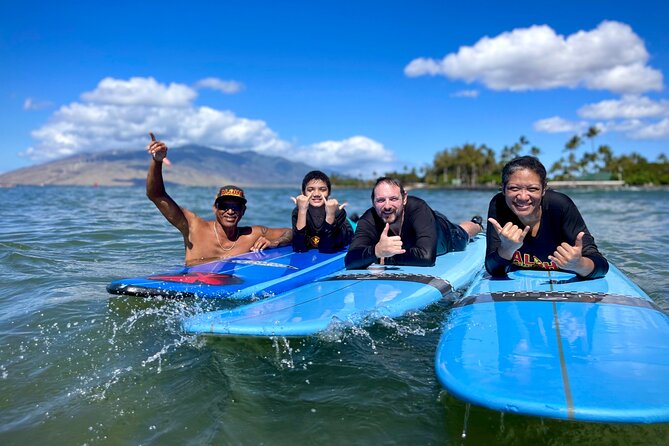
Catch your first Hawaiian wave. This two-hour Kihei lesson connects you with instructors who grew up surfing Maui waters and come from Hawaiian surfing families. You begin on land with a clear lesson on paddling, standing, safety, and surfing etiquette, then put those skills to work in the water.
I like the small-group feel reported by several participants, including one lesson with only two students. I also like the patient, upbeat teaching style associated with Keoki and Luis, especially for first-timers and young surfers. The main consideration is that surfing still depends on weather and ocean conditions, so a perfect first-wave moment cannot be promised.
This is a practical choice if you want more than a quick beach activity. You get equipment, instruction, safety guidance, and time in the water, all at a manageable two-hour length. The meeting point is in Kihei, and the lesson returns there when finished.
Five things to know before you book
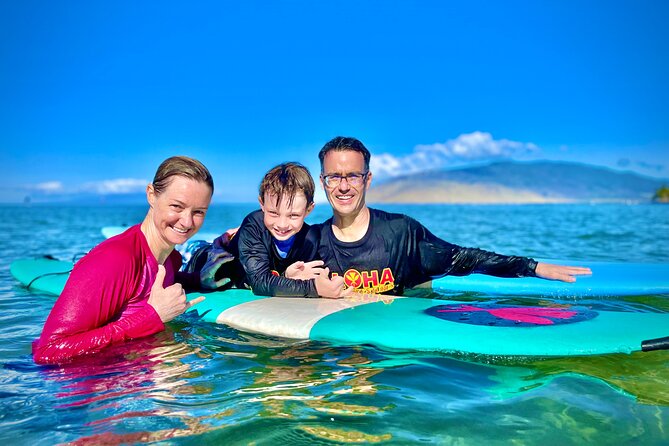
- Hawaiian-owned and operated: You learn from surfers with Hawaiian roots and family connections to the origins of surfing.
- A real beginner lesson: The land portion covers how to paddle, how to stand, safety rules, and surfing etiquette before you enter the water.
- Personal attention matters: Several participants praised the calm, encouraging instruction, with some reporting that they stood up quickly.
- Gear is included: You are fitted with a Lycra shirt and shoes designed to protect your feet.
- Photos and videos may be available: You can ask about having your surfing moments captured during the lesson.
- A compact two-hour outing: The short format works well for families, first-timers, and anyone fitting surfing between other Maui plans.
Why Kihei is a good place to begin surfing
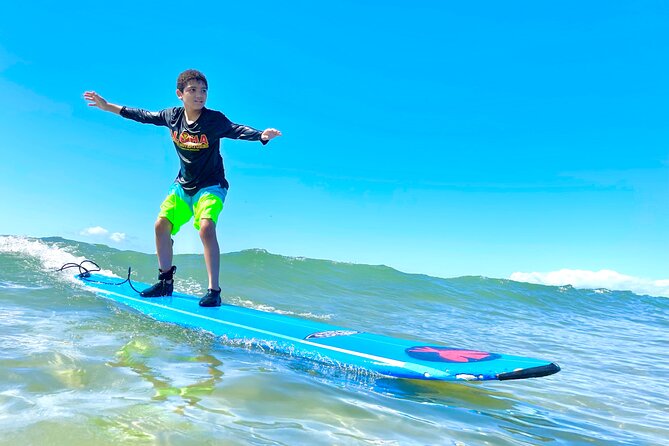
Kihei is the setting for the full lesson, from check-in through the return to the meeting point. You do not spend the session moving between several attractions. Instead, the time is focused on learning the basic movements and getting into the water.
That simplicity helps. A two-hour lesson can pass quickly when you add changing, instruction, practice, and water time, so a single location keeps the schedule tidy. The listed meeting point is at PGJW+3Q in Kihei, Hawaii, and the activity ends back there.
You should pay close attention to the meeting instructions before leaving your hotel. The point is near public transportation, but the information provided does not include hotel pickup, so you should not assume that transportation to the lesson is included.
The location also makes this easier to fit into a Maui day. You can plan the lesson as a stand-alone morning or afternoon activity, though the exact start time will determine what else fits around it.
More Surf Lessons in Maui:
- Maui: Two Hour Beginner Group Surf Lesson in Kihei
★ 5.0 · 950 reviews - Outrageous Surf ScHool Lesson on Lahaina Side
★ 4.5 · 547 reviews - Group Surf Lesson at Kalama Beach in Kihei
★ 5.0 · 264 reviews
The check-in and gear fitting
Your lesson begins with check-in. After that, the staff gets you dressed for the water with a Lycra shirt and protective shoes.
The shirt helps you look and feel ready for the lesson, while the shoes are meant to protect your feet. The details of the boards and other equipment are not specified, so you should confirm any gear questions when booking or checking in.
This first stage may sound basic, but it sets the tone. Beginners often spend their first few minutes wondering what to wear, where to place their feet, and how to handle the board. Getting suited up before the instruction lets you focus on the lesson rather than sorting out small practical matters.
The experience is offered in English. That is useful if you want instructions delivered clearly while learning movements that can be hard to understand from gestures alone.
The land lesson makes the water time count
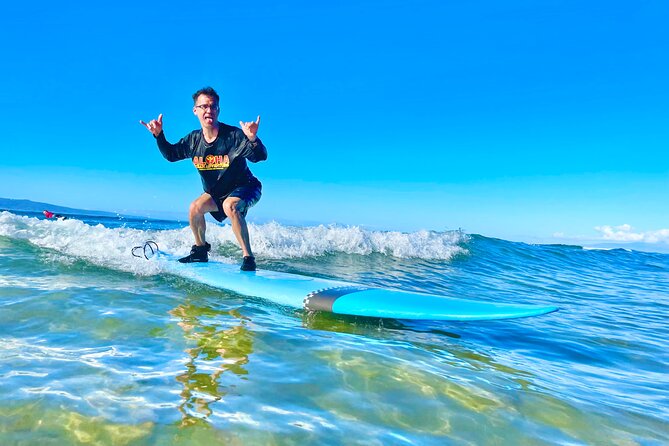
Before you paddle out, the instructor gives you a step-by-step lesson on land. You learn how to paddle, how to stand, and how to prepare your body for the basic surfing motion.
That preparation is one of the strongest parts of the outing. A first-time surfer does not simply need courage. You need to know where your hands go, how to move from lying down to standing, and how to keep your balance once the board begins to move.
The instruction also covers important safety rules and surfing etiquette. That matters because surfing is not only about catching a wave. You need to understand how to behave around other people in the water and how to approach the activity with care.
I especially like that the lesson is not described as a quick demonstration followed by a push into the ocean. The sequence gives you a chance to understand the basics first. Participants have described standing up quickly, but your result will depend on your balance, comfort level, and the conditions on the day.
The best approach is to treat the land lesson seriously. Listen closely, ask questions, and repeat the standing motion until it feels familiar. The more natural it feels on shore, the more attention you can give to the water once the lesson begins.
Into the water with calm, personal instruction
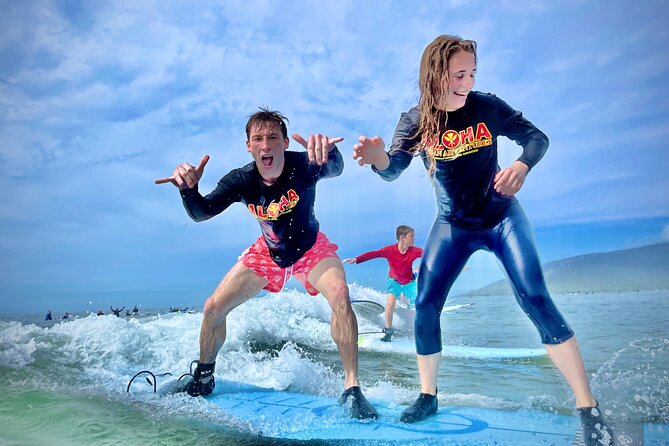
After the land portion, you head into the water. This is the part most people are waiting for, but the earlier instruction makes it less confusing and more enjoyable.
The strongest praise has focused on the instructors’ attitude. Keoki was described as calm, relaxed, and reassuring, while Luis was praised for being friendly and accommodating with boys in the group. Another participant specifically appreciated the personal training and one-to-one attention.
That style is important for a first lesson. An instructor who keeps things positive can help you recover from a missed wave without feeling embarrassed. You are learning a new physical skill, and a relaxed approach gives you room to try again.
The experience also appears to work well for young surfers. One 13-year-old received encouraging instruction on a first surfing attempt, while a group of college-age children caught several waves despite having no earlier experience.
That does not mean every participant will stand immediately. Surfing has a learning curve, and the ocean does not follow a script. Still, the teaching method seems geared toward getting beginners involved rather than overwhelming them with technical detail.
Same place, a different way into the water:
- Maui Lahaina Group Surf Lesson
★ 4.9 · 235 reviews - Private Surf Lesson for Two Near Lahaina
★ 5.0 · 189 reviews - 2 Hour Beginner Group Surf Lessons
★ 5.0 · 154 reviews - Group Surf Lessons from Kaanapali Beach
★ 5.0 · 143 reviews
What makes the Hawaiian connection meaningful
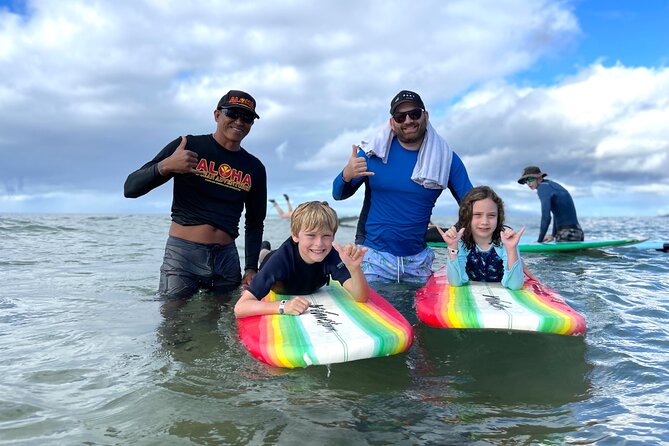
The lesson is presented as a cultural surf experience taught by descendants of the inventors of surfing. The instructors grew up surfing in Hawaiian waters and teach from that background.
For you, the value is not just a family story added to a standard lesson. It gives the activity a stronger connection to place. Surfing in Hawaii is not simply a rental activity borrowed from somewhere else. It is closely tied to Hawaiian culture and the islands’ relationship with the ocean.
The cultural element is handled through the people teaching you and the way they frame the activity. The information provided does not promise a long history talk or a formal cultural presentation, so you should expect the main focus to remain practical surfing instruction.
That balance suits many people. You get a lesson rooted in local experience without turning a two-hour outing into a lecture. If you want to learn more about the instructors’ family history or Hawaiian surfing traditions, ask questions during the lesson when the pace allows.
The emphasis on Hawaiian roots also helps explain why the teaching style feels personal rather than theatrical. The description points to surfers who grew up in the water and want you to enjoy the sport. You are not being sold a staged performance. You are being taught a skill by people who have made surfing part of their lives.
Group size and the value of personal attention
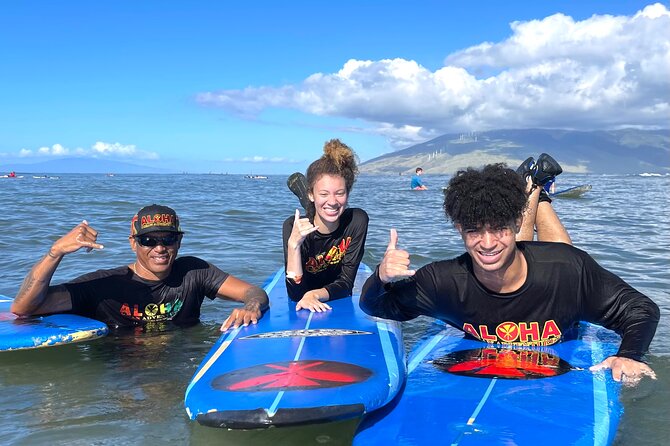
The activity allows a maximum of 25 participants, but that number is only the upper limit. Individual sessions may be much smaller. One participant reported that only two students were present, which made the lesson feel small compared with other surf schools.
You should ask about the expected group size for your date if personal attention is a major reason for booking. A small class can give you more direct correction and more chances to ask questions. It may also help an instructor adjust the lesson for different ages and comfort levels.
A larger class can change that rhythm. You may still receive useful instruction, but the amount of one-to-one time can vary. The stated maximum does not tell you how many people will actually attend, so it is worth checking if your schedule is flexible.
Families should also consider the abilities of everyone in the group. The lesson has worked well for college-age children and a 13-year-old beginner, but the information provided does not state a minimum age, swimming requirement, or specific physical standard. Ask the provider about those details before booking for a child.
Photos and videos of your first waves
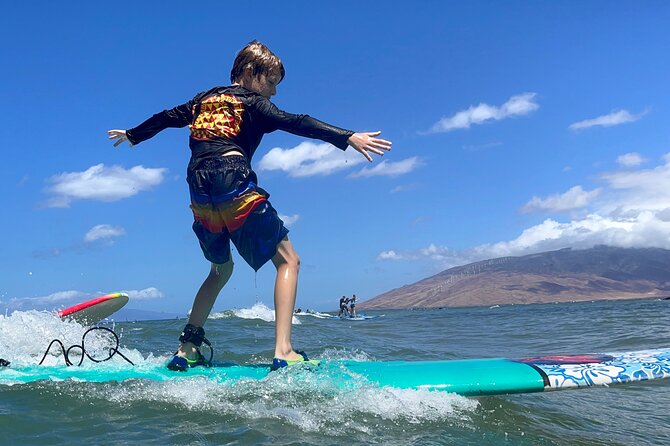
Photos and videos are available during the lesson. These can be a fun extra, especially if you are taking the class as a family or marking a first attempt at surfing.
A recording can also help you see what you are doing right and what needs work. A short video of your stance may show why you lose balance or why one attempt works better than another. The supplied information does not say whether photos or videos are included in the booking price, so confirm the cost and delivery details before the lesson starts.
Do not let the camera become the main goal. The best part of the lesson is learning to read the instructor’s guidance and enjoy the feeling of moving with the water. The images matter most as a record of that moment, not as a guarantee of a perfect surfing pose.
If you want photos, mention it early. That gives the staff a chance to explain what is available and when the images can be taken.
Is two hours enough time?
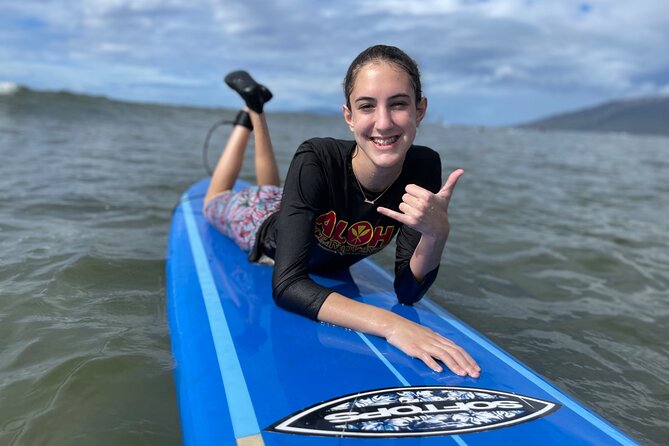
Two hours is a sensible length for a first lesson. It is long enough to include check-in, getting suited up, land instruction, safety guidance, and water practice without taking over your entire day.
You should also keep your expectations realistic. This is an introduction, not a full surf course. You may stand on a board during the lesson, as several participants did, but you will probably still need more practice to surf with confidence on your own.
The short format works especially well if you want to sample surfing before committing to more lessons. It also suits families who need a clear activity window and people who want to combine surfing with other plans in Maui.
The tradeoff is that two hours leaves little room for delays or long breaks. Arrive ready to check in and listen so you do not lose practice time. The exact meeting instructions and start time should guide your planning.
Value, booking, and cancellation rules
No price is provided here, so I cannot judge whether the lesson is cheap or expensive in dollar terms. To assess value, compare the booking price with what is included: instruction, the land lesson, safety guidance, a Lycra shirt, protective shoes, and water time with a Hawaiian-owned provider.
The strongest value comes from personal instruction. If your group is small and you receive direct coaching, the lesson may be worth more than a cheaper activity with little guidance. If photos or videos cost extra, add that charge before comparing options.
You can cancel for a full refund if you do so at least 24 hours before the start time. Changes or cancellations made within 24 hours are not accepted for a refund.
Weather can affect the outing. If poor weather causes the provider to cancel, you will be offered another date or a full refund. The same applies if the minimum number of participants is not met.
This means you should avoid scheduling the lesson immediately before a flight or another activity that cannot move. A little flexibility makes the cancellation policy easier to manage.
Who will enjoy this Kihei surf lesson?
I would point first-time surfers toward this experience, especially if you want an instructor who teaches patiently and keeps the mood relaxed. The land lesson and safety briefing provide a useful starting point, and the short duration reduces the risk of committing a full day to a new sport.
Families may also find it appealing. The instruction has suited a 13-year-old beginner as well as college-age children, and the reported encouragement is a strong sign for mixed-experience groups.
It is also a good fit if the Hawaiian connection matters to you. You are learning from local surfers with Hawaiian roots rather than treating the ocean as a generic backdrop.
I would be more cautious if you need a guaranteed small group, a guaranteed number of waves, or a guaranteed photo package. The group size can vary, ocean conditions can change, and the photo and video arrangements are not fully detailed.
Should you book it?
Book this lesson if you want a focused introduction to surfing in Kihei, value calm one-to-one coaching, and like the idea of learning from Hawaiian-owned and operated instructors. The combination of land practice, safety guidance, protective gear, and water time gives beginners a clear path into the sport.
Before confirming, check the meeting details, expected group size, photo and video costs, and any age or participation requirements for your group. If you can keep your schedule flexible for weather, this looks like a friendly and culturally connected way to try surfing on Maui.
FAQ
How long does the surf lesson last?
The lesson lasts approximately two hours.
Where does the activity meet?
It meets at PGJW+3Q in Kihei, Hawaii. The activity ends back at the meeting point.
What language is the lesson offered in?
The lesson is offered in English.
Is this lesson suitable for beginners?
Yes. The session includes step-by-step instruction on paddling and standing, along with safety instructions and surfing etiquette before you enter the water.
What gear is provided?
You are fitted with a Lycra shirt and shoes to protect your feet. The available information does not specify every piece of surfing equipment.
Are photos and videos available?
Photos and videos are available during the lesson. The information does not state whether they are included in the booking price.
How many people can join the activity?
The maximum group size is 25 participants. The actual group may be smaller, and one reported lesson had only two students.
What happens if the weather is poor?
If poor weather causes the activity to be canceled, you will be offered a different date or a full refund. You can also receive a full refund by canceling at least 24 hours before the start time.
Just added around Maui
- 2-Hour Semi Private Hawaiian Surf Lesson with the best in Maui..★ 5.0 · 15 reviews
- Surf with ALOHA SURF SCHOOL★ 5.0 · 9 reviews
- 2-Hour Surf Lessons with a Pro★ 3.5 · 3 reviews
- Private Surf Lessons in Maui★ 5.0 · 2 reviews
- Epic Surf Safari – Best of Maui★ 5.0 · 4 reviews
- Semi-Private Surf Lesson at Kalama Beach in Kihei★ 5.0 · 25 reviews
- Private Surf Lessons in Lahaina, Maui★ 5.0 · 31 reviews
- Private Surf Lesson at Kalama Beach in Kihei★ 5.0 · 25 reviews
Maui Surf Lessons, compared.








2 Hour Private Group Surf Lesson in Lahaina Maui
Read our review →Browse the lists this lesson appears in