
REVIEW · USA
Learn to Surf on South Padre Island
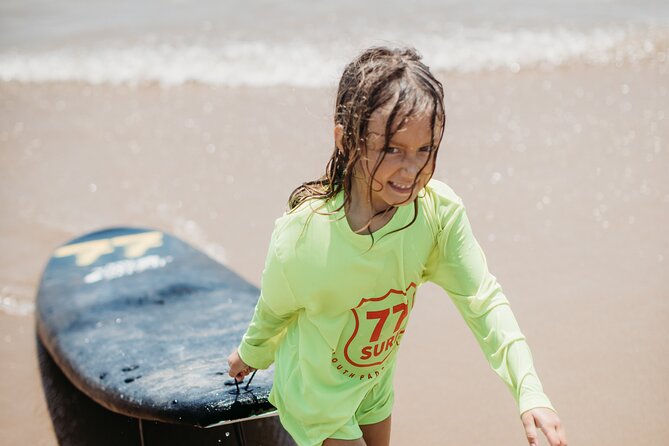
Catch your first wave here. This South Padre Island lesson keeps things simple: safety and balance on shore, then practice in waist-high water with an instructor from 77 Surf & Skate. I like the private format, since your group gets the instructor’s full attention, and I like the patient teaching style that helped beginners as young as six and eight ride waves within an hour. The main consideration is time: one hour is enough for a first taste, but not enough for a full surfing course.
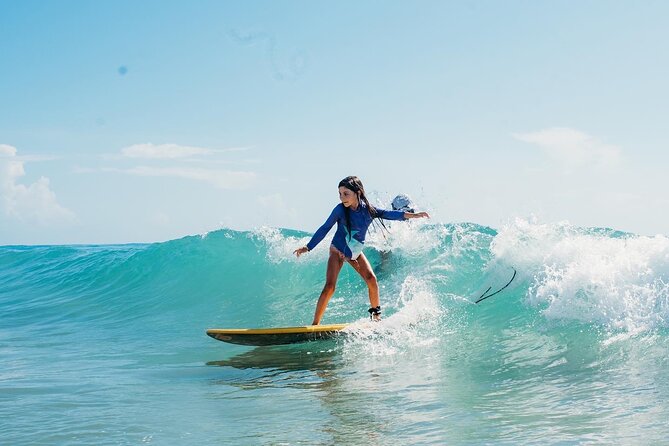
I also like the way the lesson adjusts to your ability. Beginners work on paddling and standing up close to shore, while anyone with prior experience may move into deeper water to practice riding down the line and turning. At $75 per person, it is a fair price for personal instruction, though the value depends on good weather, your group size, and how much time you want in the water.
Key points to know before you book
- Private one-hour instruction: Only your group takes part, so the lesson can fit your pace and ability.
- A careful start on the sand: You cover basic ocean safety before touching the water.
- Waist-high water for beginners: You practice paddling, popping up, and balancing where the water feels manageable.
- More advanced work may be available: Surfers with some experience can possibly paddle farther out to practice turning and riding along the wave.
- Strong family appeal: The lesson has worked well for children, teenagers, parents, grandparents, and first-time surfers.
- Weather matters: Poor conditions can lead to a new date or a full refund, and cancellations are free up to 24 hours before the start.
Starting at 2100 Padre Boulevard
Your lesson begins at 2100 Padre Blvd, South Padre Island, Texas 78597. The activity returns to this same meeting point when the hour is over, which keeps the plan easy to follow. The location is near public transportation, useful if you are staying on the island without a car.
The mobile ticket makes arrival straightforward. You receive confirmation when you book, then show up at the stated meeting point with enough time to get ready. The experience is offered in English.
Because the lesson takes place at the beach and in the ocean, plan around comfort rather than just the clock. You will want to arrive ready for physical activity, and you should expect to spend much of the hour moving, paddling, balancing, and getting back on the board. The operator asks for a moderate level of physical fitness.
This is not a sightseeing trip with several stops. The beach and ocean are the whole setting, and the focus is on learning a skill. That is good news if you would rather be doing something than watching something.
More Beginner Surf Lessons in the USA
- Maui: Two Hour Beginner Group Surf Lesson in Kihei
★ 5.0 · 950 reviews - Oahu: Beginner-Friendly Waikiki Beach Surfing Lesson
★ 4.9 · 425 reviews - Oahu: Waikiki 2-Hour Beginner Group Surf Lesson
★ 4.9 · 191 reviews
The first minutes: safety before surfing
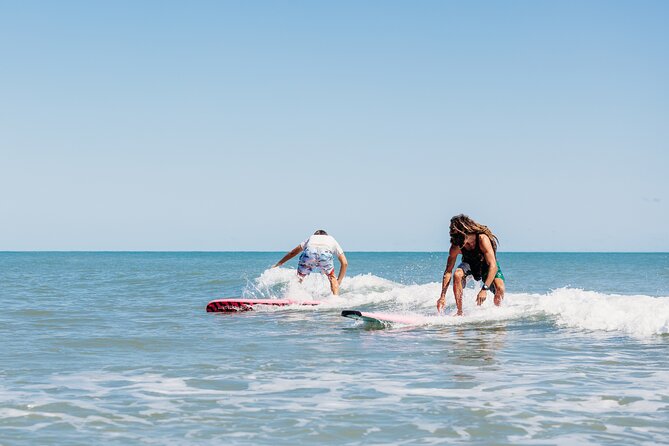
The lesson starts on shore with basic ocean safety information. This is an important part of the hour, not filler. You need to understand how to behave around waves and how the lesson will work before you take a board into the water.
For a child or nervous beginner, this opening can make the ocean feel less intimidating. One family lesson included an eight-year-old and a parent, with the instructor making the activity fun and less daunting. Another first surfing experience was for a six-year-old, who enjoyed the lesson. Those examples show the family range, but they do not replace your own judgment about a child’s comfort and physical ability.
The shore portion also gives you a chance to hear the instructions clearly. In the water, wind, waves, and excitement can make simple directions harder to catch. Paying attention at the start should help you make better use of the short lesson.
Practicing the pop-up and balance
Before you paddle into waves, you practice the basic movements on land. The key skills include popping up from a lying position and finding your balance on the board.
These are the movements that make surfing feel awkward at first. You are not simply standing on a floating platform. You have to coordinate your hands, feet, timing, and weight while the board moves under you. Practicing first lets you work out the sequence before adding waves.
I like this teaching order because it gives beginners a clear job at each stage. First, listen. Next, practice the movement. Then take the board into the water. A one-hour lesson cannot cover every part of surfing, so this focus on the first successful stand makes sense.
The instructor’s patience matters here. Ryan was praised for being attentive, informative, and encouraging, while Sean was credited with making the session fun and helping create a lasting interest in surfing. Those qualities are especially useful when you are trying something that can feel strange within the first few attempts.
Waist-high water and the first wave
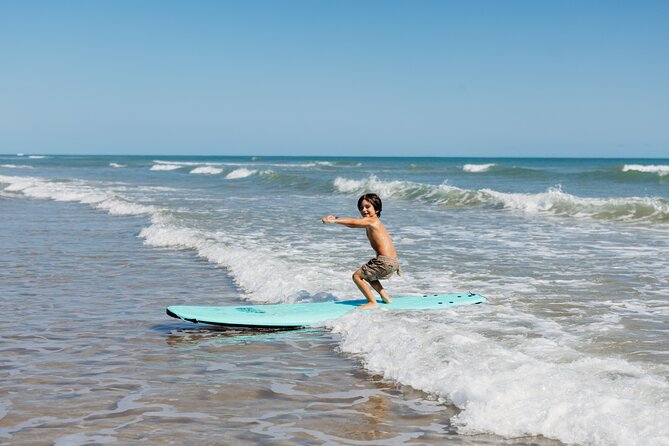
Beginners start in waist-high water. This is one of the most practical features of the lesson because it offers a middle ground between standing on the beach and paddling into deeper water.
From there, you work on paddling into waves and standing up. You will likely spend part of the hour repeating the same sequence: position yourself, paddle, feel the wave, push up, and try to hold your balance. Falling is part of the process. The lesson allows breaks whenever you need one, which helps keep the experience enjoyable instead of turning it into a race.
The shallow starting point also lets the instructor watch your technique closely. If your feet are too far apart or your timing is off, corrections can happen right away. That personal attention is more useful than simply receiving a board and trying to copy someone nearby.
Several family members managed to ride waves during their first lesson, including an eight-year-old and a parent. That is encouraging, but you should keep expectations sensible. Ocean conditions, balance, fitness, and individual confidence all affect how quickly you progress. The real goal is to learn the basic motion and have a safe first experience, not to leave as a polished surfer.
Same place, a different way into the water:
- Open Group Surfing Lesson in Waikiki, Hawaii
★ 4.5 · 582 reviews - Outrageous Surf ScHool Lesson on Lahaina Side
★ 4.5 · 547 reviews - Los Angeles: Surfing Lesson in Venice Beach
★ 4.8 · 442 reviews - Po’ipu Surf Lesson
★ 5.0 · 361 reviews
What happens if you already surf
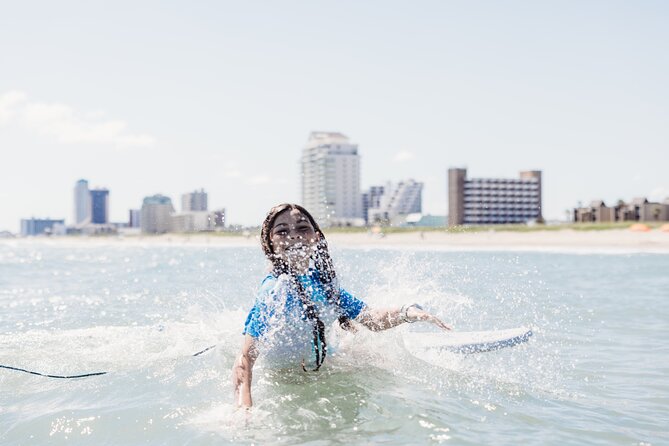
The lesson is not limited to people who have never touched a board. If you have some prior surfing experience, the instructor may take you into deeper water and work on riding down the line and turning.
That option adds value for mixed groups. A beginner can stay with the basics while a more experienced participant receives a more useful challenge. Still, the description makes clear that deeper-water work depends on your prior ability. It is not something every first-timer should expect.
The difference between standing up and riding down the line is significant. A beginner is learning to get stable on the wave. A more experienced surfer is learning to direct the board along the face of the wave and change its path. If you already know how to pop up reliably, tell the instructor at the start so the session can match your ability.
Since the total time is about one hour, experienced surfers should also keep their expectations in check. This is an introductory private lesson, not an extended coaching session with time for a large number of technical adjustments.
Why the private format matters
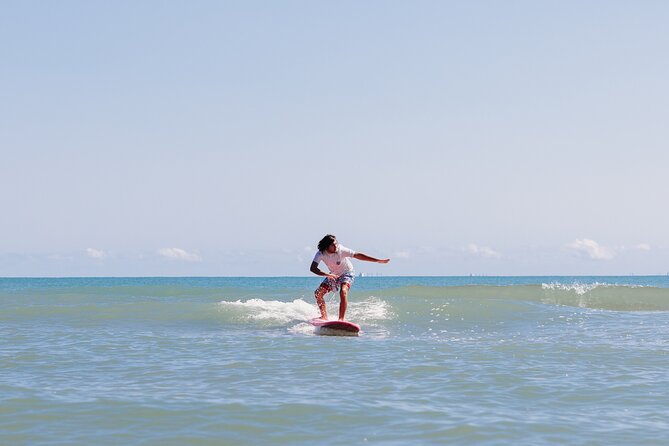
Only your group takes part. That makes this a better choice than a large class if you want personal feedback or if members of your group have different skill levels.
A private lesson can also help families stay together. Parents can learn alongside children, and the instructor can adjust explanations or drills as needed. One instructor even arranged a beach chair for a grandmother who came along to watch. That small act says something useful about the tone of the experience: the focus is not only on the people standing on boards, but also on making the outing comfortable for the group.
The private setup does not guarantee that everyone will progress at the same speed. You may still spend much of the hour waiting for your turn or recovering after a fall, depending on your group and the conditions. But compared with a crowded class, you should have a better chance to ask questions and receive direct help.
This format works especially well for a parent and child, a couple, siblings, or a small birthday outing. Two teenagers enjoyed the lesson enough to want to do it again, and a birthday trip for a 17-year-old included surfing with 77 Surf & Skate.
The instructors and the family experience
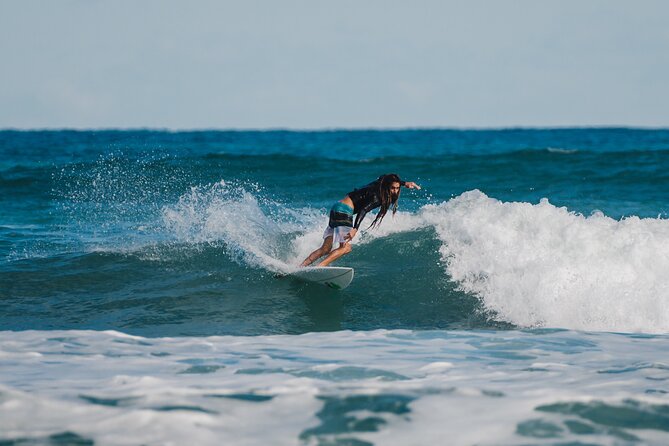
The strongest praise centers on the instructors’ patience, friendliness, and ability to make first attempts feel manageable. Ryan helped one parent and child ride waves within the hour, while Sean turned a lesson into a memorable introduction to surfing.
That personal approach matters more than flashy equipment or a long list of techniques. A good first lesson should leave you willing to try again. If you fall several times but understand what to change on the next attempt, the hour has done its job.
The age range is unusually broad based on the experiences described. A six-year-old enjoyed a first lesson, an eight-year-old surfed with a parent, teenagers had a good time, and an older adult tried surfing with a son and appreciated the instructor’s patience. These examples make the activity appealing for multigenerational groups, though the operator still asks participants to have moderate physical fitness.
If someone in your party only wants to watch, the beach setting allows that. The beach chair arranged for a family member is a helpful touch, but you should not assume that every extra comfort item will always be available.
Is $75 a good value?
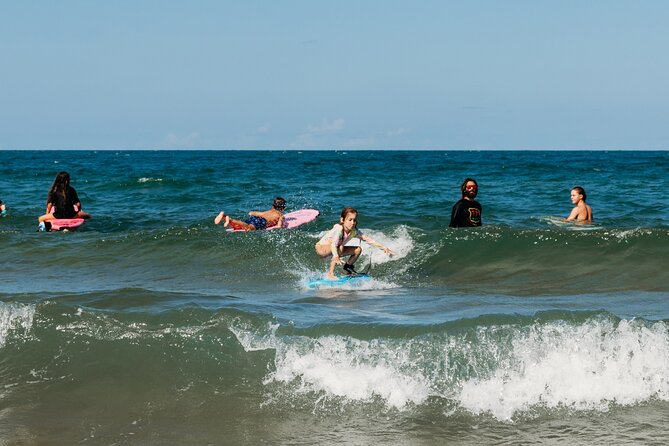
At $75 per person, the price is reasonable if you want direct teaching rather than a casual board rental. Your fee covers an organized lesson with safety guidance, shore practice, water instruction, and the possibility of more advanced coaching if you already have experience.
The private format is the main reason the price can make sense. If only two people attend, each person receives a large share of the instructor’s attention. For a bigger family group, the cost adds up quickly, so you should compare the total with your budget and decide how important personal instruction is to you.
The one-hour duration also limits the value for anyone expecting a long beach session. You are paying for a focused introduction, not an entire day of surfing. For a first-timer who wants to test the sport without committing to a longer course, that short format is a strength.
I would consider it good value for a first lesson, a birthday activity, or a family experience where the memory matters as much as the technique. If your only goal is to spend hours in the water, the short duration may feel restrictive.
Weather, timing, and cancellation
The activity requires good weather. If poor conditions cause a cancellation, you can choose a different date or receive a full refund. That protection matters for an ocean activity, where conditions affect both safety and the quality of the lesson.
You can cancel for a full refund if you do so at least 24 hours before the start time. Cancellations made less than 24 hours in advance are not refunded, and changes inside that window are not accepted. The cut-off uses the local time on South Padre Island.
The experience is booked an average of 12 days ahead, so planning early is sensible, especially if your schedule is fixed. At the same time, keep an eye on the forecast close to the lesson date. Good weather is not just a comfort issue here. It affects whether the lesson can run at all.
Who should book this lesson?
I would recommend it to first-time surfers, families, teenagers, and adults who want a guided introduction without committing to a long course. The private setting is especially useful if you want to learn with people you already know.
It also suits mixed-ability groups. Beginners can work in waist-high water, while people with some experience may get a chance to practice turning and riding down the line. Tell the instructor about your skill level so the hour can be used well.
You should think twice if you have limited mobility or do not feel comfortable with moderate physical activity. The lesson involves getting on and off a board, paddling, balancing, and repeating the attempt after falls. The available information does not provide specific details about board types, changing facilities, or what personal items to bring, so ask the operator about those points before booking if they matter to you.
Service animals are allowed, and the meeting point is near public transportation. Those details may help with planning, but they do not change the physical nature of the lesson.
Should you book Learn to Surf on South Padre Island?
Book it if you want a friendly, focused first encounter with surfing and value an instructor who can give your group direct attention. The safety briefing, shore practice, waist-high water, and patient coaching create a sensible path from nervous beginner to first wave.
I would book early, watch the weather, and allow for the possibility that your best result may be learning the basics rather than mastering the sport. For $75, this is a strong choice for a family outing, a teenager’s birthday, or an adult who wants to try something new with a son, daughter, friend, or partner.
Skip it if you want a long surf session or advanced coaching for the entire day. For nearly everyone else, especially first-timers who want a real chance to stand up on a wave, this one-hour lesson offers a practical and memorable start.
FAQ
Where does the surf lesson begin?
The lesson begins at 2100 Padre Blvd, South Padre Island, TX 78597, USA.
Where does the activity end?
The activity ends back at the meeting point.
How long does the lesson last?
The lesson lasts approximately one hour.
How much does the lesson cost?
The listed price is $75 per person.
Is the lesson private?
Yes. Only your group participates in the activity.
What language is the lesson offered in?
The lesson is offered in English.
What happens during the lesson?
You begin on shore with basic ocean safety information, then practice popping up and balancing. In the water, beginners work in waist-high water on paddling into waves and standing up. Participants with some surfing experience may work in deeper water on riding down the line and turning.
Is the lesson suitable for children?
The activity information asks participants to have a moderate physical fitness level. Children aged six and eight are specifically represented in the described lesson experiences, but no formal minimum age is provided.
What happens if the weather is poor?
If poor weather causes the activity to be canceled, you will be offered a different date or a full refund. You can also cancel for a full refund up to 24 hours before the experience starts.
Just added around the USA
- Waikiki: Family, Private, and Group Surfing Lessons★ 5.0 · 4 reviews
- Waikiki: Surf Lessons Easy 60 min classes no crowds!★ 4.9 · 21 reviews
- Electric Bike Rentals in Topsail Island and Surf City★ 5.0 · 2 reviews
- 1-on-1 Private Surf Lesson in Santa Barbara★ 5.0 · 4 reviews
- Astonishing Scavenger Hunt: Surf, Sand and Sculptures!★ 3.0 · 2 reviews
- Two- Hour Group Surfing Lesson in Cocoa Wrightsville Beach, NC★ 5.0 · 13 reviews
- Surf lesson with KTO Yoga Surf★ 4.0 · 5 reviews
- Surf Lesson in Santa Barbara★ 3.0 · 2 reviews
Beginner Surf Lessons, compared.
Legian Beach, Bali: Beginner or Intermediate Surf Lessons
Read our review →
Beginner & Intermediate Surf Lesson with Equipment
Read our review →
Learn to Surf in Chill Beach Vibes & Good Times
Read our review →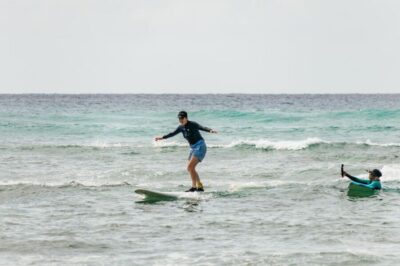
Beginner-Friendly Waikiki Beach Surfing Lesson
Read our review →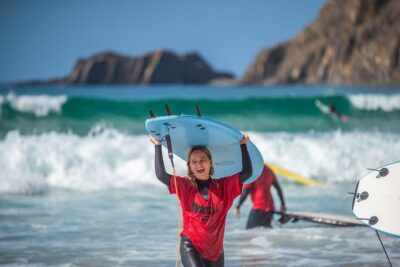
Beginner Surf Lesson at the Beautiful Algarvian West Coast
Read our review →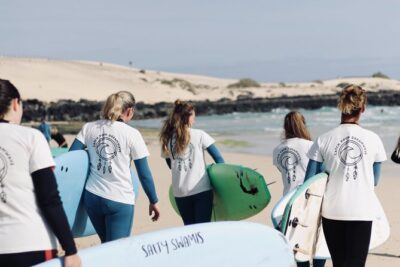
Lezioni di Surf per Beginner e Intermedi (6 persone a istruttore)
Read our review →Browse the lists this lesson appears in