
REVIEW · NEW ZEALAND
Mount Maunganui: Group Beginner Surf Lesson
First waves are hard to forget. This 90-minute lesson at Mount Maunganui Beach gives first-timers a friendly, practical introduction to surfing, with expert coaching, small groups, and all the main equipment provided. The beach is known for gentle learning conditions, and the lesson is designed to get you standing on a board rather than spending the whole session listening to theory.
I like the free surfboard and wetsuit, since hiring gear separately can quickly push up the cost of a beginner lesson. I also like the calm teaching style shown by instructors such as Bailey, Dean, and the coach praised for patience and kindness. The main consideration is that you need to be comfortable in the water, and the lesson can be changed or canceled if weather conditions turn poor.
Key points before you book
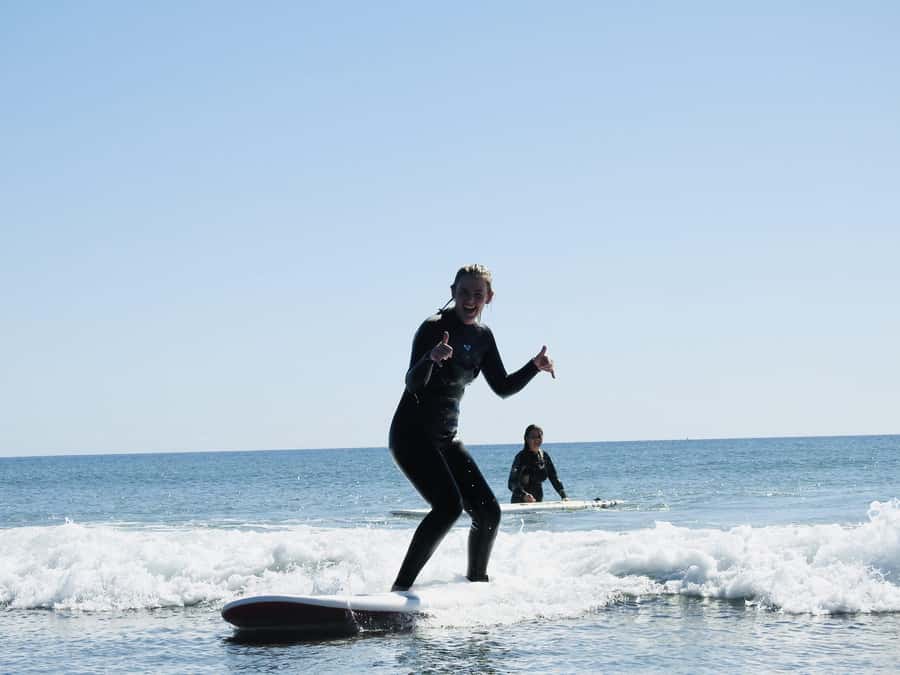
- Mount Maunganui Beach is built for beginners: The water is described as relatively shallow, giving new surfers a more comfortable place to learn.
- Small groups mean more help: You get individual pointers instead of being left to copy a coach from a distance.
- Gear is included: A surfboard and wetsuit are provided at no extra charge.
- The lesson costs $47: For 90 minutes of instruction and equipment, that is a fair entry price for trying surfing without buying anything.
- Patience is a major strength: Bailey and Dean are specifically praised for helping nervous beginners catch their first waves.
- You need basic water confidence: This is not suitable for non-swimmers, and you should arrive 15 minutes early.
Why Mount Maunganui is a smart place to learn
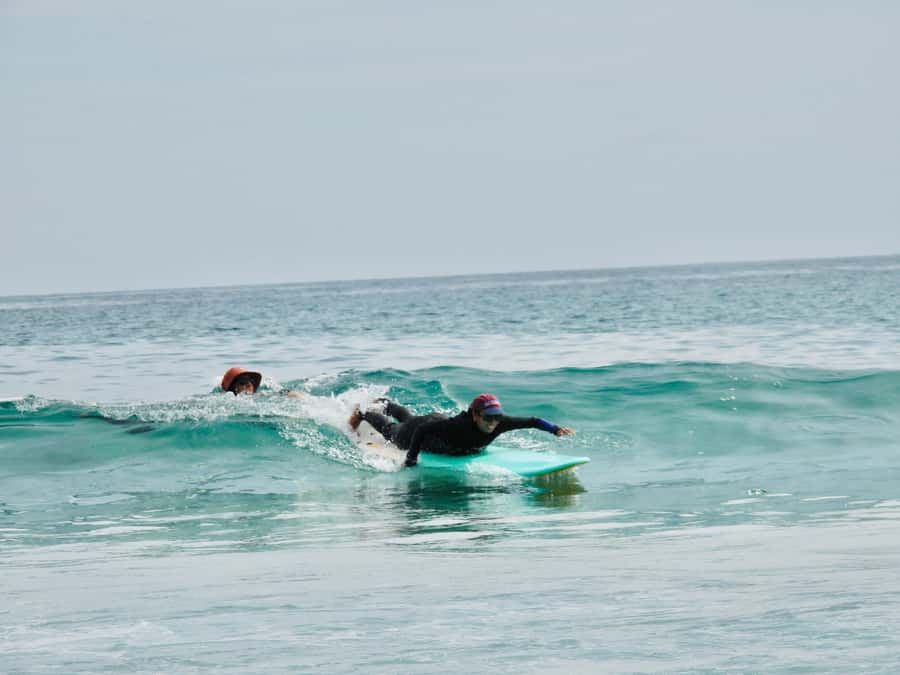
Surfing can look simple from the beach. Paddle, stand, ride. In practice, your balance, timing, board position, and nerves all need to cooperate at once. A beginner lesson works best when the beach gives you a reasonable chance of success, and Mount Maunganui is presented as one of New Zealand’s top places to learn.
The important detail here is the water depth. One beginner who had never been in the ocean before found the water relatively shallow and felt comfortable throughout the session. That does not mean you can ignore safety instructions, but it does make a difference when you are still learning how to handle a board.
The setting also helps. You are learning on Mount Maunganui Beach, not in a pool or an artificial surf facility. You get the real sounds, movement, and unpredictability of the ocean, but with an instructor nearby to explain what is happening. That gives you a useful first taste of surfing without demanding that you figure out the basics alone.
I would still keep your expectations sensible. A 90-minute class is enough to learn the foundations and possibly catch your first wave. It is not enough to become a polished surfer. Your goal should be a safe, fun introduction and a few useful skills to practice later.
More Beginner Surf Lessons in New Zealand:
- Beginner Surf Lesson at Te Arai Beach
★ 5.0 · 6 reviews - Greymouth: 2-Hour Beginner Surf Lesson
★ 4.5 · 2 reviews - Legian Beach, Bali: Beginner or Intermediate Surf Lessons
★ 4.9 · 1,019 reviews
Meeting the coaches at the Mount Surf School tent
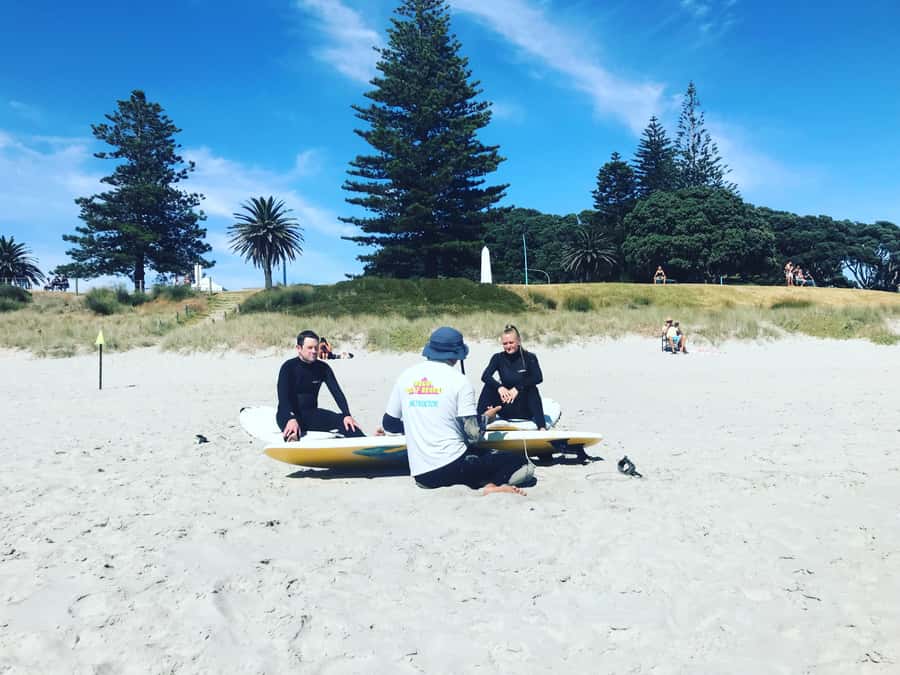
The Mount Surf School headquarters is opposite 27 Marine Parade. Look for the school’s tent. You should arrive 15 minutes before the scheduled start, giving yourself time to check in, get fitted for a wetsuit, and prepare without rushing.
That early arrival matters more than it might seem. Wetsuits can take some effort to put on, especially if you are unfamiliar with them. Arriving late could cut into your water time, and the lesson has a fixed 90-minute duration.
Instruction is in English. The teaching approach is aimed at beginners and is described as non-judgemental, which is valuable if you feel awkward about your fitness, age, coordination, or complete lack of experience. Surf schools can sometimes feel intimidating to people who have never touched a board. Here, the intended tone is more supportive than competitive.
The named coaches in the feedback give a useful sense of the service. Bailey helped one student through the entire process, offering pointers while helping with those first waves. Dean worked carefully with a beginner who had never been in the ocean and made sure the student felt comfortable and understood what to do. That kind of close help is exactly what you want when your attention is split between waves, board position, paddling, and standing.
The first lesson on land: safety, gear, and surf etiquette
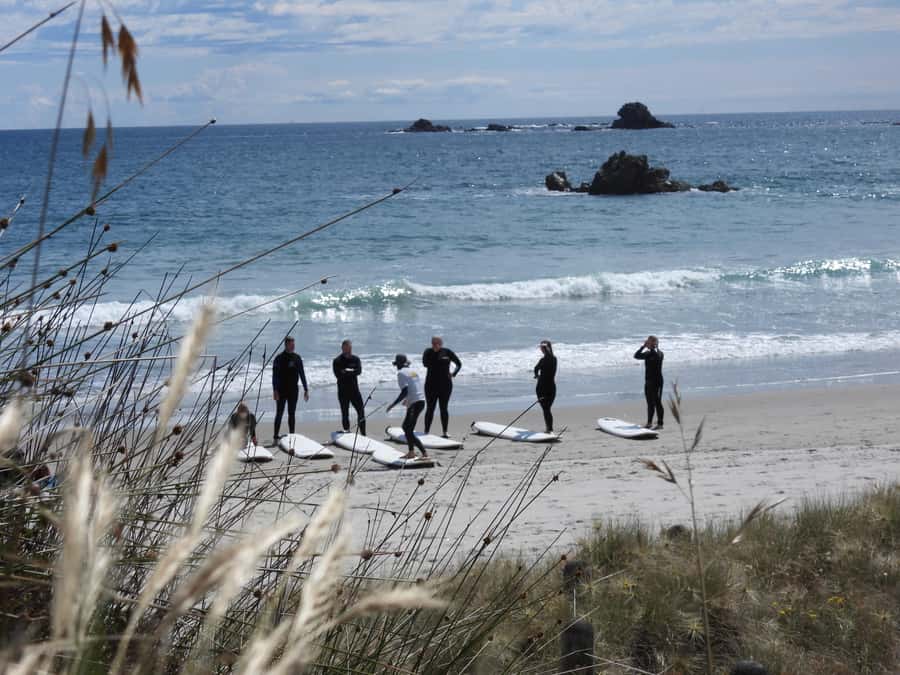
The lesson begins with a safety briefing. This is essential, not filler. You learn how to handle the board, how to move in the water, and how to behave around other surfers.
You also cover surf etiquette. Even at a beginner beach, you need to understand basic rules about sharing waves and avoiding collisions. Learning these habits early is useful because surfing has its own set of customs, and careless board handling can be dangerous.
Paddling is another early skill. You need to know how to lie on the board, how to move it through the water, and how to position yourself for a wave. The instructor also explains the equipment, so the board and wetsuit feel less mysterious before you enter the sea.
The key lesson is the method for standing up. Beginners often try to push up too slowly, place their feet incorrectly, or rise before the board is moving properly. A coach can spot those problems quickly and give you a small adjustment that makes the whole attempt easier.
I appreciate that the class combines explanation with action. You learn enough on land to stay safe and understand the task, then get into the water while the information is still fresh. Too much beachside instruction can make a lesson feel like a lecture. Too little leaves you confused. This format aims for a useful middle ground.
What the 90 minutes in the water feels like
Once you have your wetsuit and board, you head into the water with the group. The focus is on practicing the basics, getting into the right position, paddling, and trying to stand as a wave carries you forward.
The first attempts may involve plenty of splashing. That is normal. You may miss the wave, lose balance, stand too early, or simply forget the instructions as soon as the board starts moving. The advertised mood is relaxed, with room for laughs, encouragement, and high-fives rather than pressure to perform.
The small coach-to-student ratio is one of the most useful parts of the class. Surfing requires quick corrections. An instructor who can watch your attempt and offer a specific tip is far more helpful than a coach who gives one general explanation to a large crowd.
You might be told to adjust your feet, change your timing, paddle harder, or keep your weight centered. These details are difficult to work out alone. They are also the reason a lesson can save you hours of frustration.
The strongest outcome is catching your first wave. It may be short and wobbly, but that does not make it less satisfying. The class is built around helping you reach that moment with enough guidance to understand what went right.
The water conditions still control the day. Surfing depends on weather and waves, so there is no guarantee that every attempt will feel the same. The activity may be rescheduled or canceled in poor weather. That is a practical limitation, not a flaw in the teaching, but you should keep some flexibility in your schedule.
More Surf Lessons in New Zealand:
- 2 Hour Surf Lesson – Te Arai Beach
★ 5.0 · 119 reviews - Raglan: Group Surf Lesson
★ 5.0 · 79 reviews - Auckland: Group Surfing Lesson with Muriwai Surf School
★ 4.9 · 34 reviews - Queenstown: White Water Surfing Along the Kawarau River
★ 4.6 · 30 reviews
How the shallow water helps nervous beginners
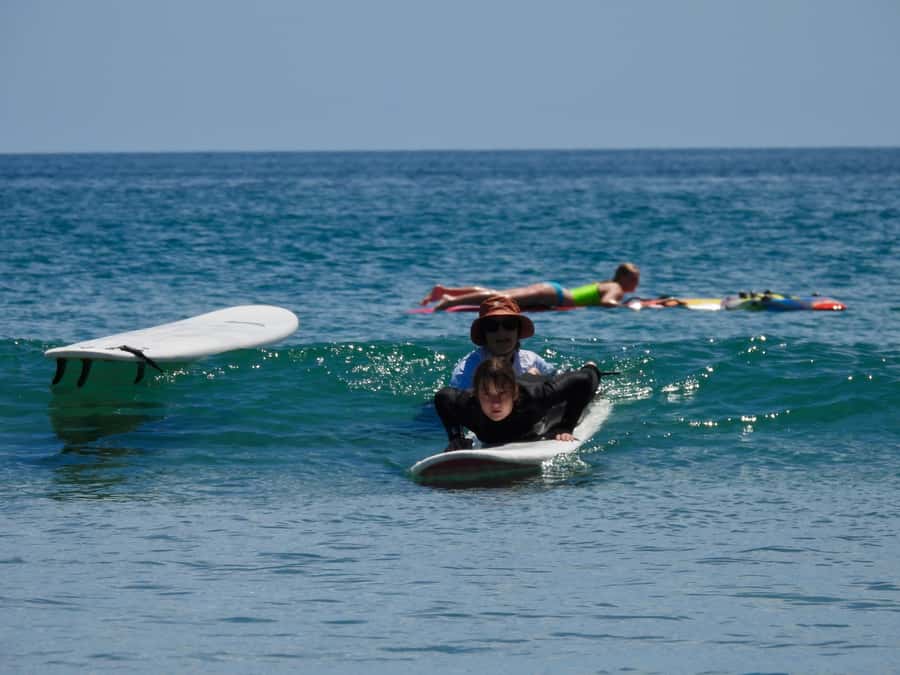
For a complete beginner, fear is often a bigger barrier than balance. The ocean can feel unfamiliar, especially if you have never been in it before. One student arrived worried about enjoying the lesson at all and had no previous ocean experience. Dean helped that person stay comfortable while learning the steps and catching first waves.
That detail is important for deciding if the activity suits you. You do not need previous surfing experience, and the lesson welcomes people who have only tried a board briefly. You do need to be comfortable in water and able to follow the instructor’s directions.
The relatively shallow water can make early attempts less stressful. If you fall, you are not immediately dealing with deep water, although conditions can vary and you still need to follow the safety briefing. The point is not that the sea becomes risk-free. It is that the setting gives new surfers a more manageable starting point.
You should also know what the lesson is not. It is not suitable for non-swimmers, pregnant women, people with back problems, people with recent surgeries, or children under 10. The supplied age information lists children under each age from two through ten as unsuitable, so the clear practical reading is that the class is for participants aged 10 and over. People over 95 are also excluded.
What the $47 price really includes
At $47 per person, the lesson is reasonably priced for someone testing surfing for the first time. The price includes professional instruction, a surfboard, and a wetsuit. That matters because equipment hire alone can make a short activity more expensive than expected.
You are paying for 90 minutes, but the value is not just the time in the water. You also get safety guidance, surf etiquette, paddling instruction, help with standing, and personal corrections from a coach. If the lesson helps you catch a first wave and gives you enough technique to practice later, it has done more than provide a quick thrill.
Food, drinks, and transportation are not included. You need to make your own way to the Mount Surf School tent opposite 27 Marine Parade and bring your own swimwear and towel. Those are simple requirements, but planning them in advance makes the morning or afternoon easier.
The class is especially good value if you do not own surf gear. You can try the activity without committing to a board, wetsuit, or longer course. If you decide surfing is not for you, your financial loss is limited. If you enjoy it, you will have a clearer idea of what kind of equipment and coaching you might want next.
Who will enjoy this lesson most
This lesson is a strong fit for:
- First-time surfers who want a guided start
- People who have tried standing on a board but need better technique
- Nervous beginners who want patient help
- Visitors looking for an active 90-minute experience at Mount Maunganui Beach
- People who do not want to arrange separate board and wetsuit hire
- Small groups of friends or family members who prefer encouragement over competition
I would choose it if you want a real introduction to surfing but do not want to spend a full day or a large amount of money. The small group format should also suit people who learn best by asking questions and receiving immediate feedback.
It is less suitable if you cannot swim or are uncomfortable in the ocean. It is also not the right choice if you want advanced instruction, powerful waves, or a long session focused on improving an existing surf technique. The class is built for first steps, not expert progression.
Simple preparation for a better lesson
Bring swimwear and a towel. The surf school supplies the wetsuit and board, so you do not need to bring your own equipment.
Arrive 15 minutes early. That gives you time to find the tent, get fitted, and listen to the initial instructions without feeling hurried. Wear something easy to change out of and allow enough time after the lesson to dry off and get comfortable again.
Check the weather before you go, but keep in mind that conditions can change. The school may reschedule or cancel if the weather is unsuitable. Free cancellation is available up to 24 hours before the lesson for a full refund, and you can reserve a place and pay later, which helps if your plans are still shifting.
No pets, smoking, alcohol, or drugs are allowed. These rules make sense around water and equipment, and you should treat them as firm conditions of participation.
Should you book the Mount Maunganui surf lesson?
I would book this if you want a friendly first encounter with surfing, especially if you are nervous about the ocean or do not own any gear. The combination of shallow beginner-friendly water, patient coaching, small groups, and included equipment gives you a good chance of learning the basics without feeling exposed.
The best reason to choose this class is the personal help. Bailey and Dean are praised for staying involved from the first explanation through the first waves, and that support can make the difference between an amusing attempt and a frustrating one.
Skip it if you are a non-swimmer, have a listed medical restriction, or need guaranteed conditions. For everyone else, $47 is a fair price for 90 minutes of instruction and equipment, with a genuine chance to stand up and catch a first wave at Mount Maunganui Beach.
FAQ
How long is the Mount Maunganui surf lesson?
The lesson lasts 90 minutes.
How much does the group beginner surf lesson cost?
The price is $47 per person.
Where does the lesson meet?
Meet at the Mount Surf School headquarters opposite 27 Marine Parade. Look for the school’s tent.
What equipment is included?
A surfboard and wetsuit are included, along with professional instruction.
What should I bring?
Bring swimwear and a towel.
Do I need previous surfing experience?
No. The lesson is designed for total beginners and people who have only tried surfing briefly.
Do I need to be comfortable in the water?
Yes. Participants should be comfortable in the water, and the activity is not suitable for non-swimmers.
Can the lesson be canceled because of weather?
Yes. The activity may be rescheduled or canceled in poor weather conditions. Free cancellation is also available up to 24 hours in advance for a full refund.
Just added around New Zealand
- Beginner Surf Lesson at Te Arai Beach★ 5.0 · 6 reviews
- Private 2 Hour Surf Lesson★ 5.0 · 5 reviews
- Raglan: Private 1:1 Surf Lesson★ 5.0 · 2 reviews
- Raglan: 3 Day Surf Lesson Package★ 5.0 · 2 reviews
- Mount Maunganui: Private Surf Lesson★ 5.0 · 2 reviews
- Greymouth: 2-Hour Beginner Surf Lesson★ 4.5 · 2 reviews
- Queenstown: White Water Surfing Along the Kawarau River★ 4.6 · 30 reviews
- Raglan: 2 Day Surf Lesson & Rental Package★ 4.6 · 5 reviews
Beginner Surf Lessons, compared.
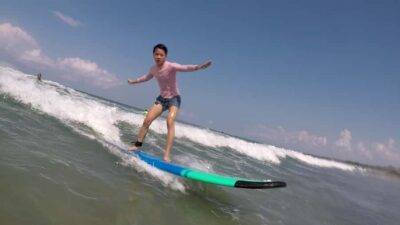
Legian Beach, Bali: Beginner or Intermediate Surf Lessons
Read our review →
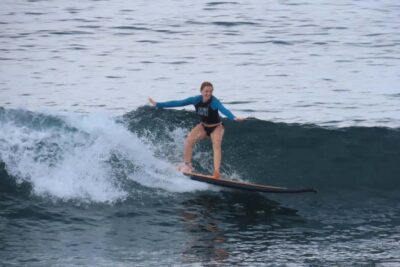
Beginner & Intermediate Surf Lesson with Equipment
Read our review →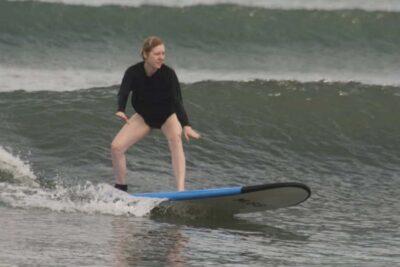

Learn to Surf in Chill Beach Vibes & Good Times
Read our review →
Beginner-Friendly Waikiki Beach Surfing Lesson
Read our review →
Beginner Surf Lesson at the Beautiful Algarvian West Coast
Read our review →
Lezioni di Surf per Beginner e Intermedi (6 persone a istruttore)
Read our review →Browse the lists this lesson appears in